Creator Culture
Behind the Outfit: Planning a Fashion Reel That Feels Real
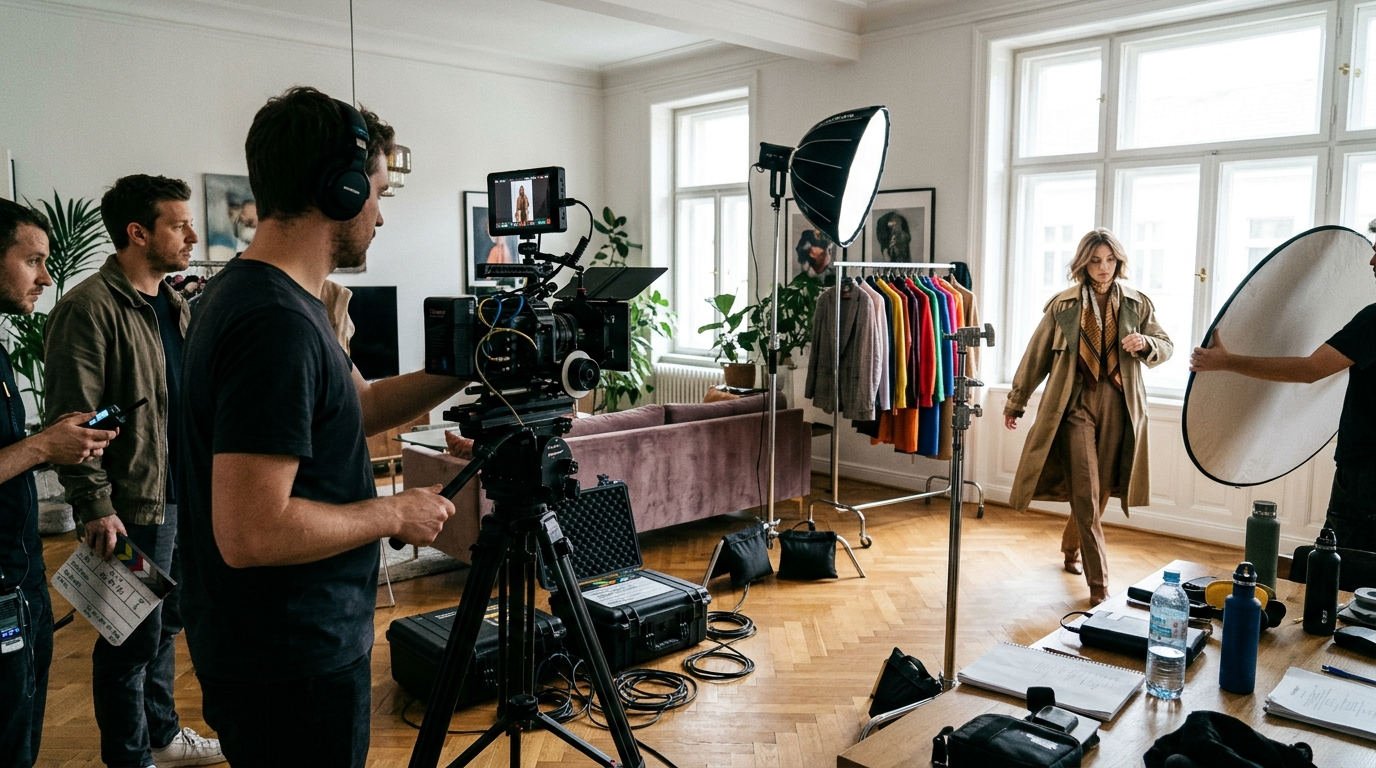
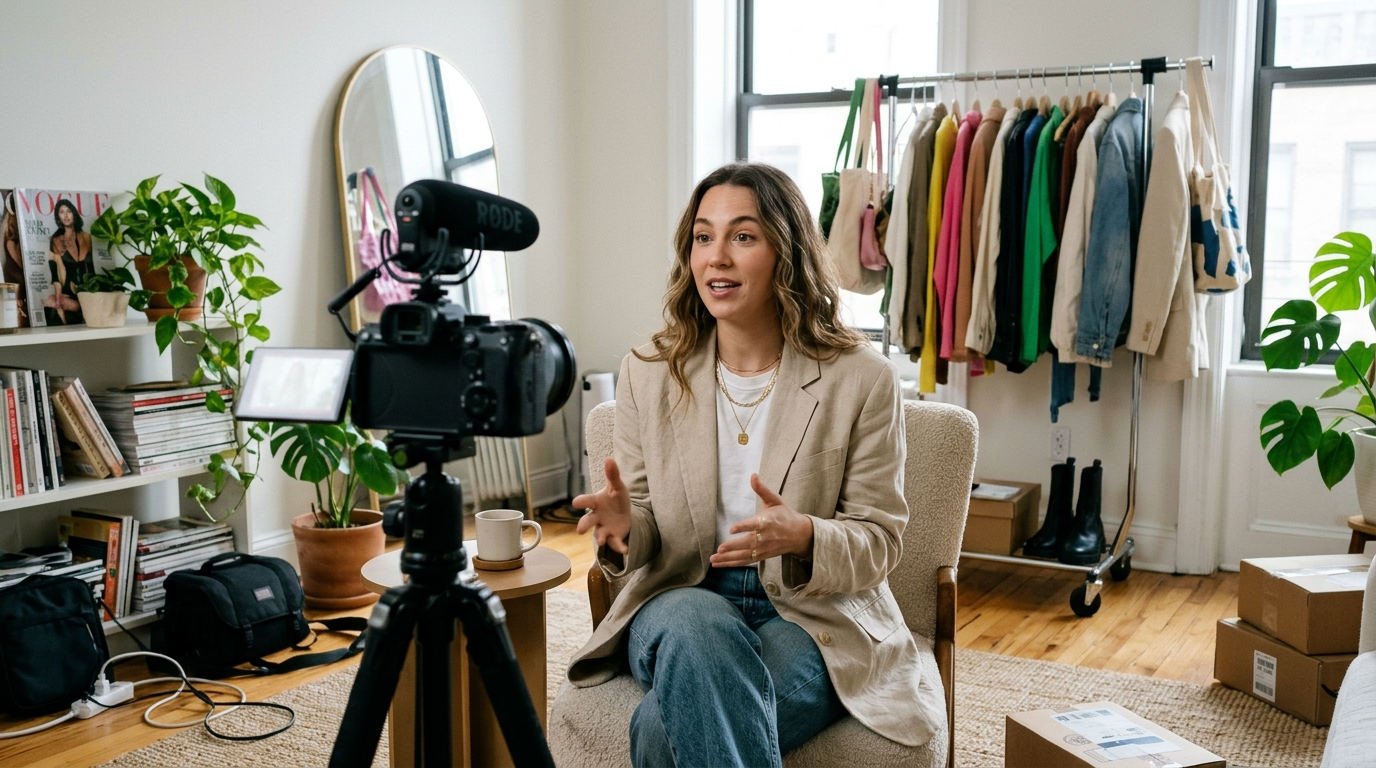
A useful fashion reel starts with a clear idea about clothes, not a pile of transitions. The strongest short videos show the outfit's decisions, movement, and context in a way viewers can understand.
Choose one viewer question for the reel
Decide whether the video explains proportions, shows multiple styling options, or demonstrates fit in motion.
A reel about making one blazer casual should not also try to cover an entire seasonal wardrobe. Too many themes make even a beautiful edit hard to follow.
Plan an opening that shows the result honestly
Reveal the outfit or the styling problem immediately without promising an impossible transformation.
A deceptive before-and-after can damage viewer confidence. Start with a front view of the finished look before demonstrating the pieces.
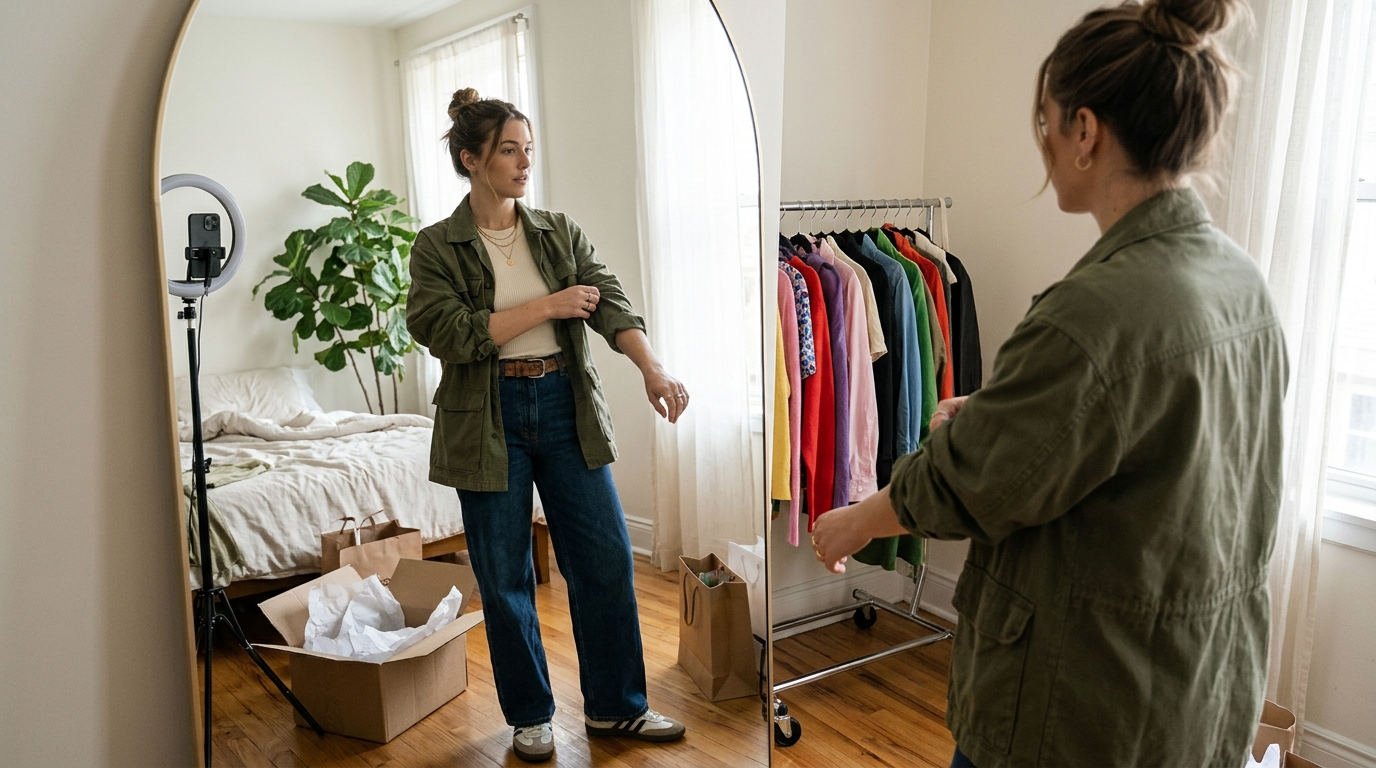
Capture the outfit from useful angles
A low-angle-only shot may conceal trouser rise and distort proportions.
Film front, side, and walking shots so viewers can judge how clothes sit. Fashion content becomes more helpful when garment details are visible.
Keep lighting and color consistent
Use available soft light and avoid filters that change the apparent fabric color.
A window-lit close-up of denim can reveal texture that a warm indoor filter hides. Extreme color grading makes shopping or styling decisions harder for viewers.
For a connected look at creator practice, see How to Create a Cohesive Fashion Feed That Feels Personal. It offers a different, complementary perspective within creator culture.
Show one genuine styling adjustment
Let the viewer see why a tuck, cuff, shoe swap, or accessory changes the outfit. Demonstrating a half-tuck on camera teaches more than a quick jump cut.
Editing away every adjustment can make the styling appear effortless in an unhelpful way.
Write a caption that adds missing context
Include practical notes such as fabric composition, size reference when appropriate, or where the outfit was worn. Do not claim a garment has been extensively tested unless that is true.
A short caption can explain why comfortable shoes were chosen for a full day outside.
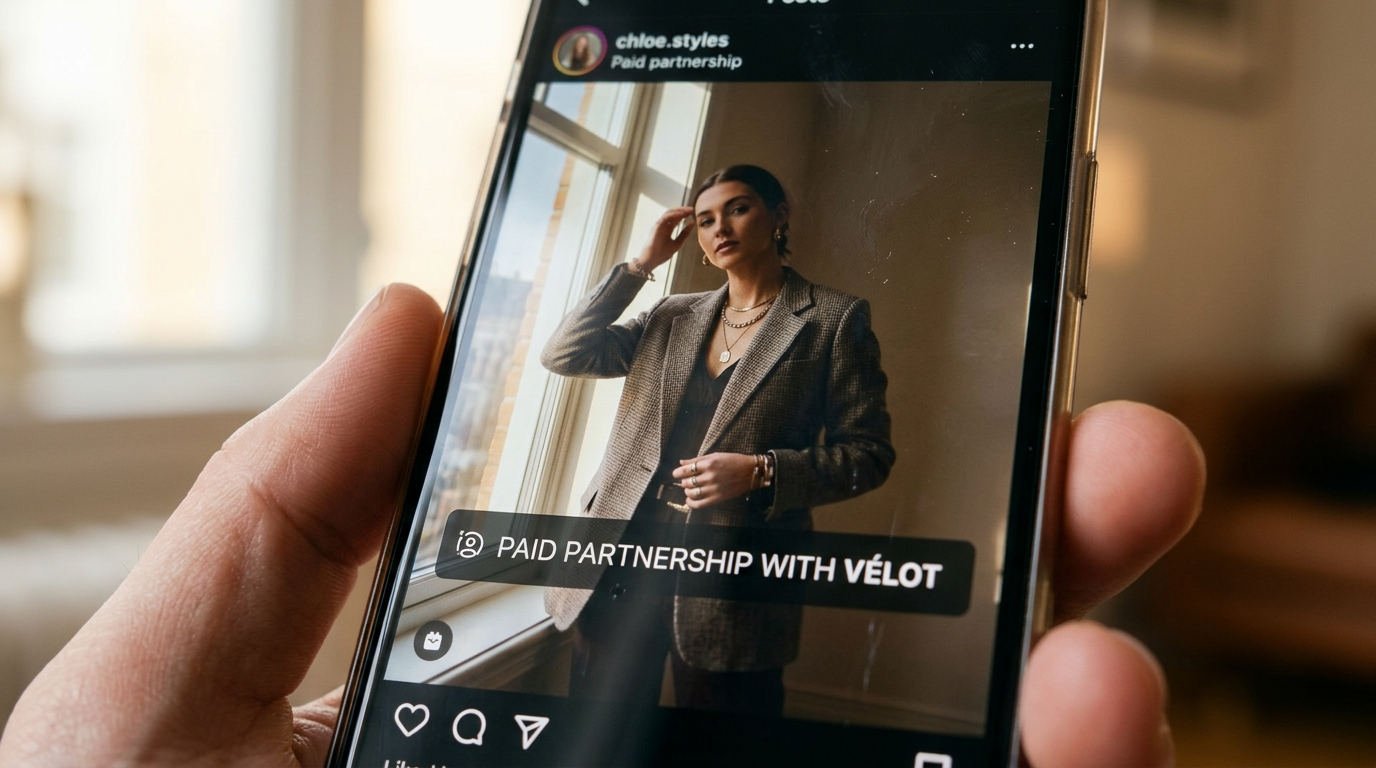
Credit collaborators and disclose sponsorships
A gifted bag used in the video should not be quietly presented as an independent purchase.
Identify paid relationships and relevant contributors clearly according to platform and local rules. Disclosure should be noticeable, not buried after an unrelated paragraph.
Edit for clarity and accessibility
Favor legible captions, readable pacing, and framing that works without sound.
On-screen text can explain the blazer switch for viewers watching silently. Flashy transitions should never obscure the outfit itself.
Try it yourself: Behind the Outfit
- Choose a single outfit story: getting dressed, changing a layer, or comparing two silhouettes.
- Write a three-shot plan: full look, construction/detail close-up, and walking or sitting movement.
- Watch the draft silently and add captions where spoken details are needed.
Reference points
These are independent background resources for the wider subject, not endorsements of the styling ideas above or evidence of personal product testing.