Fashion Finds
How to Compare Fabric, Fit, and Value Before You Buy
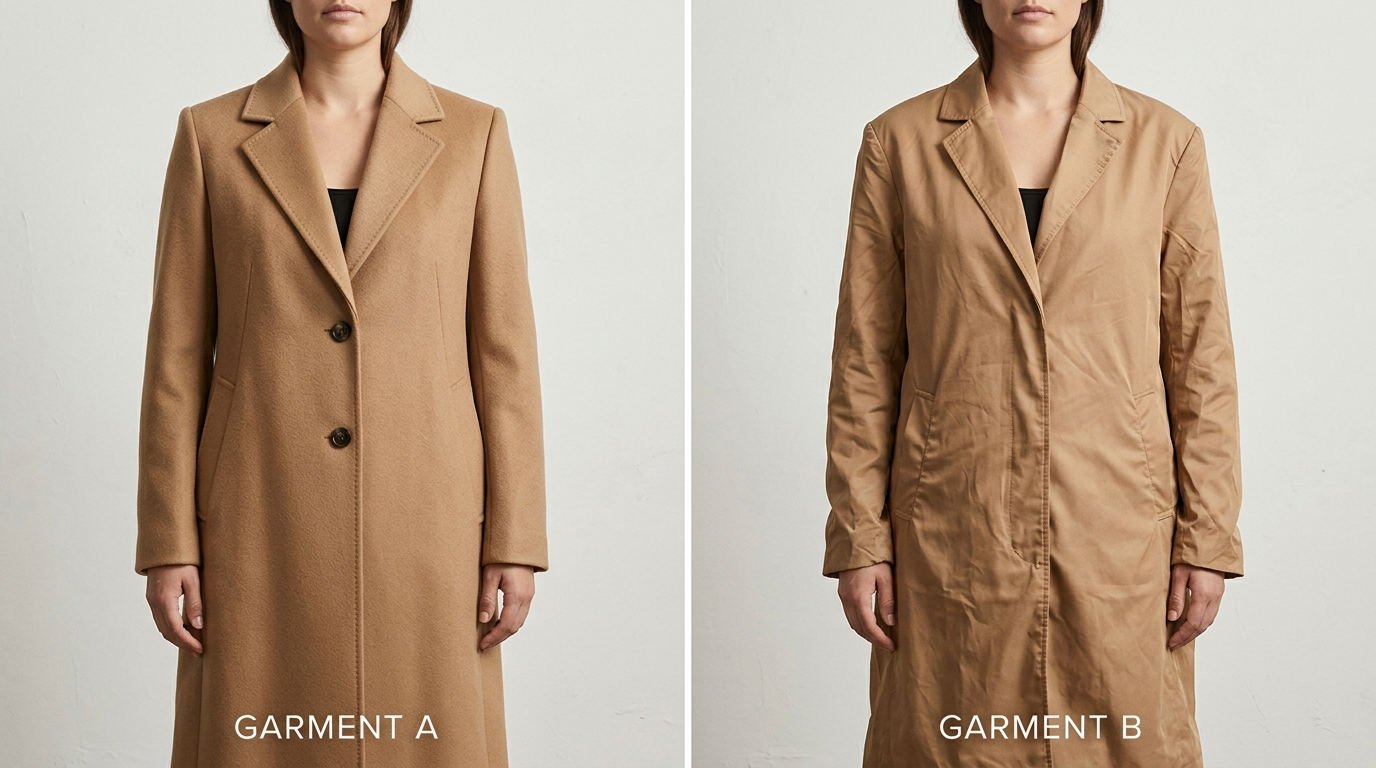
A useful comparison asks how a garment will live with you, not just how impressive it looks on a hanger. Fabric, fit, care, and cost each reveal part of the long-term picture.
Separate visual appeal from practical performance
Notice what first attracts you, then examine whether the item serves its intended use.
A drapey blouse may photograph beautifully but feel too delicate for frequent commuting. Initial excitement can make obvious drawbacks easy to overlook.
Read composition alongside the fabric's behavior
Fibers influence texture and care, but construction and finishing also affect results.
Two cotton shirts can feel very different because of weave, weight, and treatment. A fiber label alone cannot promise how well a piece will last.
Try the garment in realistic movement
Check bending, reaching, sitting, and walking rather than judging a static mirror view.
Buying with the hope that comfort will appear later is risky. Trousers that fit standing may pull at the thigh when seated.
Compare the cut with items you own
Holding a new jacket beside a trusted one may reveal a dramatically different sleeve.
Use a favorite garment as a benchmark for ease, rise, shoulder width, or preferred length. A different design can be worthwhile, but the differences should be intentional.
For another practical shopping perspective, explore Smart Ways to Shop Trend Pieces Without Overspending. It offers a different, complementary perspective within fashion finds.
Consider maintenance as part of the purchase
Washing, drying, ironing, and specialist-care needs all affect real use.
A washable weekday dress may be more convenient than one that needs frequent dry cleaning. An attractive fabric can become a burden if it conflicts with your routine.
Think about construction and likely wear points
Examine seams, pockets, buttons, closures, and high-friction areas.
Check how a bag handle attaches or whether knitwear already shows pilling in the shop. No quick inspection can predict every future problem.
Calculate value through frequency and satisfaction
Consider how often you expect to wear it and whether it improves current outfits. Expensive is not a guarantee of quality, and cheap is not automatically wasteful.
A modestly priced coat worn most days may justify more scrutiny than a one-off accessory.
Finish with a clear decision rule
Leaving a questionable garment can make room for a better future choice.
Buy when the item fits, fills a real need, works with other clothes, and passes your care tolerance. A sale deadline is not evidence that an item belongs in your wardrobe.
Try it yourself: How to Compare Fabric, Fit, and Value Before You Buy
- Read the fibre label before judging fabric quality from a photo.
- Check measurements against a garment you already own that fits well.
- Compare price with expected use, care effort, return costs, and repairability.
Reference points
These are independent background resources for the wider subject, not endorsements of the styling ideas above or evidence of personal product testing.