Style Trends
Polished Prep: Making Classic Pieces Feel Current Again
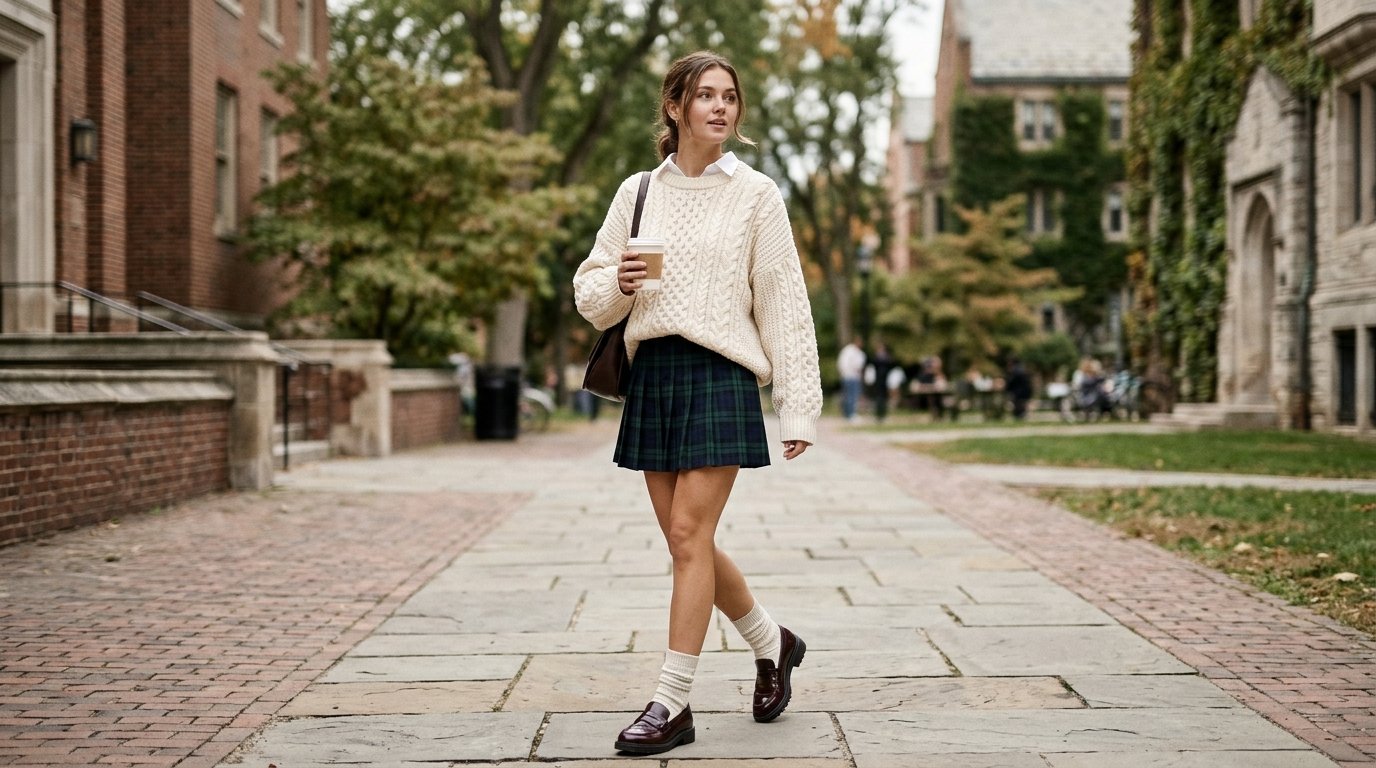
Preppy clothing can feel fresh when it is less concerned with perfect uniformity. Collars, pleats, cardigans, and loafers gain personality through proportion, color, and a little useful imperfection. This subject rewards looking past the first image. A well-chosen example can help, but fit, maintenance, context, and the reason behind a decision determine whether the idea survives ordinary use.
Keep the recognizable pieces but change the attitude
Start with one preppy marker rather than assembling a complete school-inspired outfit. One good test is to remove the excitement of a new purchase from the equation. Would the choice still seem appealing as a repeated part of the week? Would you feel comfortable explaining why it works without relying on trend labels or a sale price?
A pleated skirt can look relaxed with a roomy knit and practical trainers. Historical references and fresh styling often overlap. The interesting part is not identifying one correct era, but understanding which detail gives a familiar item a new mood.
Wearing every heritage detail together can make the look rigid. Evaluate what happens after the first use. An item that continues to feel comfortable and relevant tells you more than one excellent photograph can.
Try translating the idea into pieces from a different season or price point. The precise product is rarely the only way to express a design concept. A softer shape, quieter color, or older garment may capture the part you genuinely enjoy.
Soften the shirt-and-knit combination
Layer a shirt beneath a sweater with attention to collar and hem placement. A trend has to coexist with existing clothes to become useful. If a new idea works only with several additional purchases, it may be more compelling as an image than as a wardrobe choice.
Thick collars and heavy fabrics can bunch around the neck. The decision should still feel like yours after the details have been considered. Recommendations can reveal possibilities, but the final standard is whether the choice supports your own routine, preferences, and practical boundaries.
A slightly loose blue shirt under a navy crew neck feels familiar without looking fussy. If you are choosing between two options, compare them using the same criteria rather than changing the standard for each. Comfort, frequency of use, and maintenance are often more revealing than a first impression.
Look at how an idea behaves without editorial posing. Walking, sitting, and layering can turn an appealing dramatic silhouette into an awkward everyday choice—or reveal that it works unexpectedly well. The real-life version is the one that matters.
Pair pleats with unexpected everyday shoes
Loafers sharpen pleats while simple sneakers give the same skirt a casual route. Real-life settings change a visual trend. The same combination may work in mild weather and fail in rain, or look appealing online while limiting movement during a commute.
Footwear changes whether a skirt feels formal, nostalgic, or contemporary. Imagine repeating the same decision on a busy morning. If the process depends on a complicated set of exceptions, it may need simplifying. The most useful ideas are the ones that can survive a change of weather, schedule, or available clothes.
Tiny shoes beneath a very full skirt may create an unbalanced outline. Think about care and storage as part of the same decision. An attractive choice is less useful if it cannot be handled comfortably throughout its ordinary lifespan.
Use a photograph as a starting observation rather than evidence of a universal rule. Camera angle, styling, body movement, and lighting all influence what appears balanced. An experiment with your own garments may produce a better answer.
Work with a restrained striped pattern
In practice: Work with a restrained striped pattern
A stripe adds graphic clarity and works well beside solid-colored staples. There is no need to commit to an entire aesthetic. One proportion, color accent, or accessory can be enough to explore the idea while keeping the rest of your style recognizable.
A thin striped knit with ecru trousers has enough interest for daily wear. Small observations are more reliable than absolute rules. Write down what felt easy, what needed adjusting, and which element you would keep next time. Over several wears, those notes can become a much better guide than a shopping checklist.
Mixing many stripe scales requires more deliberate styling than it first appears. Compare how the same idea behaves in different contexts, then keep the version that feels clearest. A change in setting often explains why a combination succeeds or struggles.
If a revival reminds you of an earlier decade, focus on one recognizable feature and give it a present-day supporting cast. This usually allows the detail to read as a deliberate preference instead of an attempt to reproduce a historical photograph.
To compare this idea with a different style direction, read Scarf Styling Ideas That Work in Every Season and Setting. It offers a different, complementary perspective within style trends.
Try an oversized cardigan in place of a blazer
Soft knitwear can lower the formality of collared shirts and tailored bottoms. Try asking what changes if the situation becomes more ordinary: a longer walk, a different layer, or a full afternoon rather than a quick photograph. That question exposes weak points early and helps separate a pleasing concept from a combination you can actually enjoy using.
A slouchy cardigan with straight denim keeps the suggestion of prep without stiffness. Material and fit deserve more attention than trend names. A silhouette borrowed from a popular image will still succeed or fail through the way the garment hangs and feels.
Too much drape in both layers can obscure the silhouette. Try the idea with a familiar item before buying something new. Existing clothes provide a reliable benchmark for fit, texture, color, and the level of effort you want to repeat.
Avoid evaluating the idea only through the lens of how new it feels. Does the piece sit well beside familiar clothes? Can it be cared for easily? Will you want to wear it after the immediate excitement fades? Those questions are useful filters.
Revisit socks and small accessories
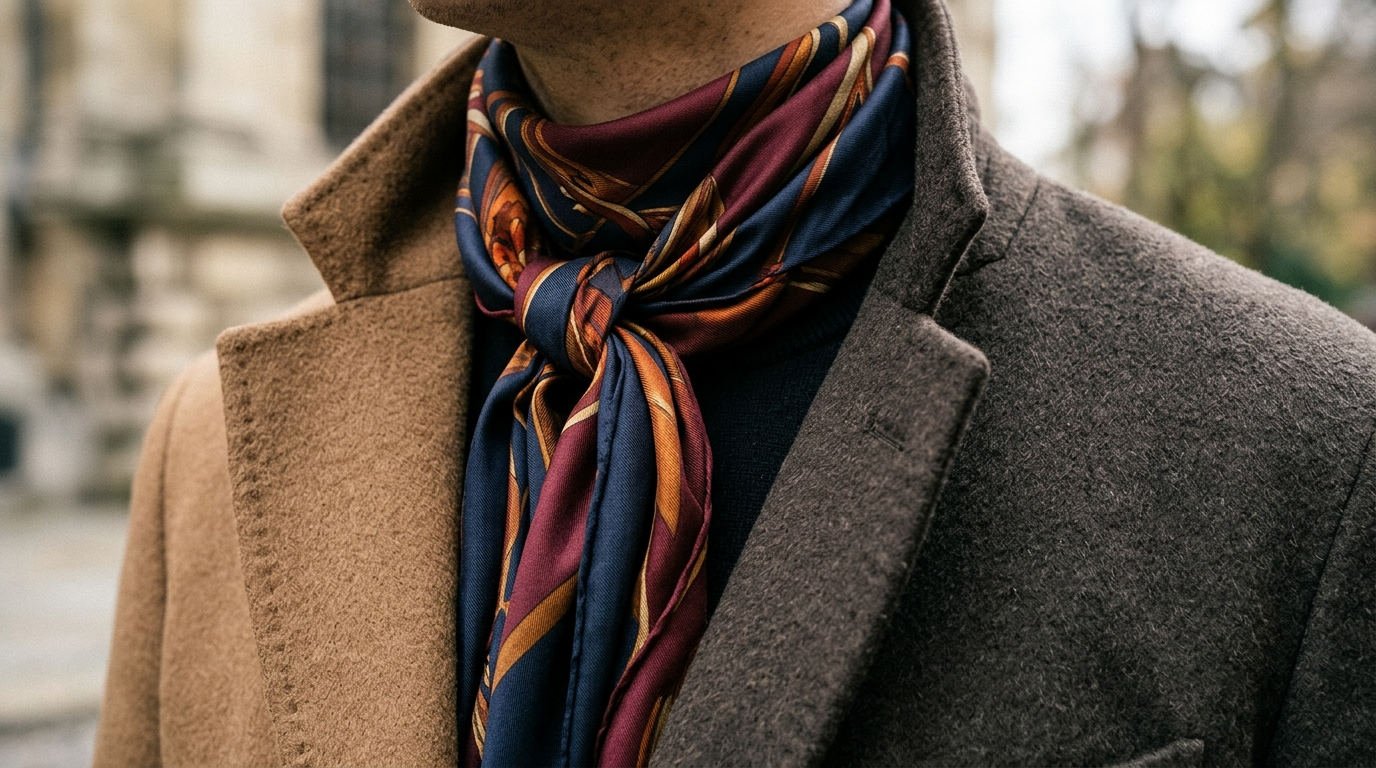
Visible socks, a scarf, or a simple belt can change the finishing tone of an outfit. Personal style often emerges through repetition. Notice which experiments become regular favorites and which ones feel exciting only for a day.
Details should not feel like a costume checklist. The practical comparison is not between a good outfit and an idealized picture. It is between the current option and the alternatives available to you. An informed choice should take account of what you own, what needs care, and what would actually be worn.
Cream socks with loafers and cropped trousers create an intentional break at the ankle. Ask whether the change solves a genuine problem or just introduces a new one. Better choices usually remove friction without making the surrounding routine more complicated.
Borrow inspiration from more than one source. Street outfits, older garments, friends, and the way people adapt clothing for local weather may reveal interpretations missed by a highly curated feed. That variety makes the result less dependent on one aesthetic.
Choose colors that feel lived-in
A red sweater over a blue shirt introduces warmth to classic trousers. You can appreciate fashion as a visual culture without buying into every new direction. A selective approach leaves more room for distinctive combinations and long-term enjoyment.
Navy, cream, oxblood, and forest green can mix easily, but brighter accents are welcome. Think about how this decision interacts with the rest of the look or process. A strong individual element can become distracting when everything around it demands attention. A calmer supporting choice may help the original idea become clearer.
There is no need to copy a school-uniform palette exactly. If the choice is still uncertain, pause rather than forcing an answer. Living with the alternatives for a little longer often clarifies what you really value.
Give the experiment a chance to become ordinary. Some of the most durable personal signatures began as small departures from familiar outfits. Others were interesting once and never returned. Both outcomes provide information without demanding another purchase.
Make the look suit the day's actual demands
Comfort, weather, and walking distance should guide the final layering and shoes. Trends are better used as observations than instructions. Separating the underlying design idea from the complete photographed outfit lets you decide whether it belongs in your life.
A pleated skirt with tights and a coat may make sense in cooler weather. A second look is worthwhile before calling this finished. Compare the result in natural light, check the fit around the points where garments meet, and consider whether the choice still makes sense once you have added the things you carry every day.
A polished photograph is not proof that an outfit works during a commute. Look at the finished result from a few steps away. Individual details should contribute to the whole rather than competing for the same attention.
When a trend appears everywhere, separate the visible detail from the whole aesthetic. You may like the proportion, the contrast, or the color without wanting the rest of the outfit. That small distinction makes experimentation more affordable and more personal.
Looking ahead: Make the look suit the day's actual demands
Keep the approach flexible enough to suit changing seasons and routines. Comfort, weather, and walking distance should guide the final layering and shoes. The more honestly you notice what works, the less you need rigid rules to make the next choice.