Wardrobe Essentials
Closet Editing: What to Keep, Tailor, or Pass Along
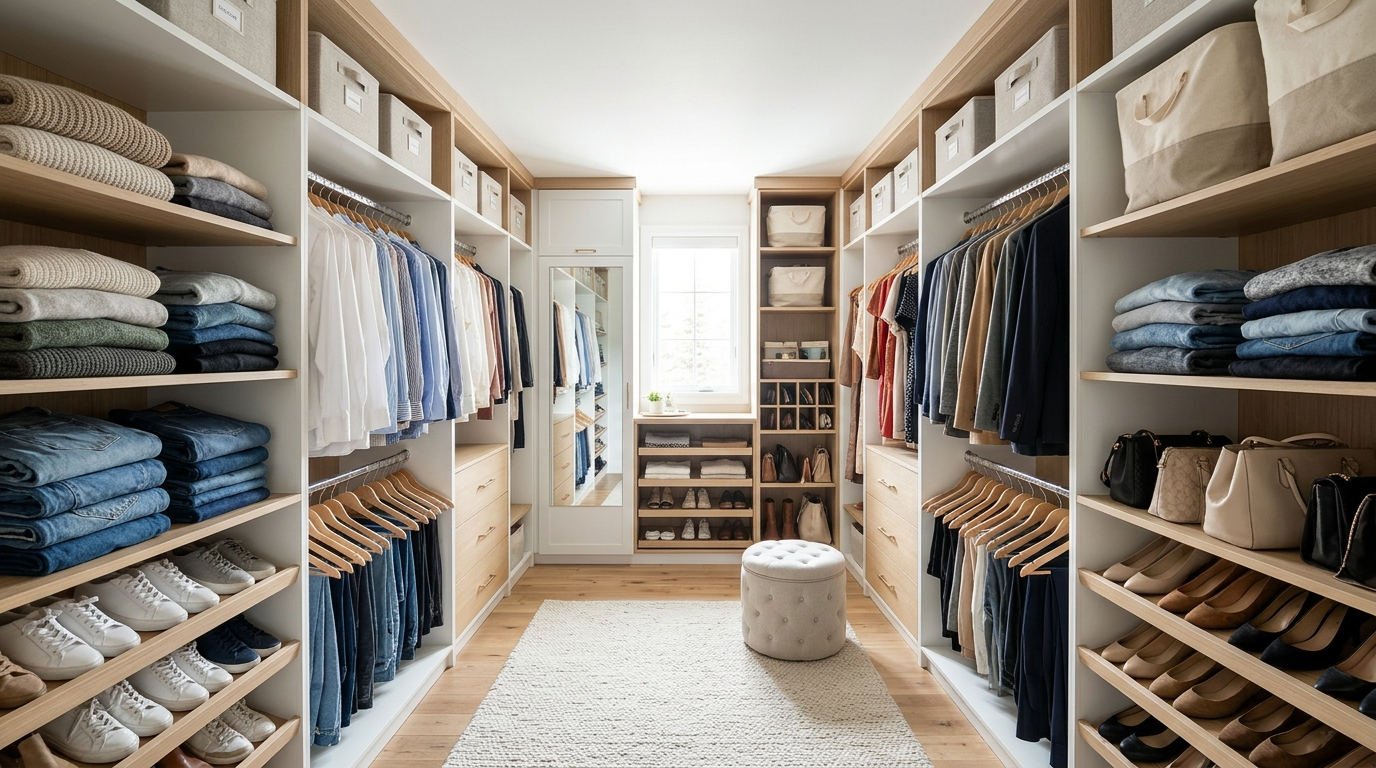
Editing a closet works better as a series of decisions than as one dramatic purge. The objective is a wardrobe that serves your life, not a photographic row of identical hangers.
Take stock before removing anything
Look at what is currently worn, what is hidden, and what activities are poorly covered.
A week of outfit notes may reveal that everyday shoes matter more than occasionwear. Pulling everything out without a plan can create unnecessary pressure.
Identify the truly dependable pieces
Set aside garments that fit, feel comfortable, and regularly combine with other items.
A favorite navy trouser may be worth keeping even if it has been worn for years. Age alone is not a reason to discard a useful garment.
Make a separate tailoring pile
Consider whether a small alteration could rescue a piece you already enjoy. Complex tailoring can cost more than the garment is worth to you.
Shortening trousers or taking in a waistband can change how often the item is worn.
Notice fit problems that cannot be styled away
A beautiful dress that prevents sitting comfortably may never earn regular wear.
Pinching shoulders, uncomfortable seams, and fabrics that feel wrong deserve frank evaluation. Hoping that the right accessory will fix a poor cut is often unrealistic.
Another useful closet question appears in How to Rewear Statement Pieces Without Repeating Looks. It offers a different, complementary perspective within wardrobe essentials.
Respect sentimental and occasional garments
Keep a small, deliberate space for meaningful pieces and infrequent but genuine needs.
A family scarf or well-loved event coat can be worth retaining despite limited wear. The goal is useful editing, not eliminating memory.
Choose responsible routes for unwanted items
Sell, donate, repair, or recycle according to actual condition and local options.
Clean wearable clothing can find another owner while damaged fabric may need a textile program. Donation should not be treated as a solution for completely unusable garments.
Reorganize so outfits are visible
Store pieces in a way that makes combinations easy to find.
Perfect color order is less important than everyday accessibility. Grouping trousers and nearby tops can reveal overlooked pairings at a glance.
Set a maintenance habit instead of a purge cycle
A small quarterly check can prevent duplicate shopping and crowded rails.
Review unworn items seasonally and note why they remained untouched. Repeating large clear-outs while buying indiscriminately will not solve the underlying problem.
Try it yourself: Closet Editing
- Separate items into worn often, repair/tailor, seasonal, and ready to donate.
- Estimate realistic alteration cost before keeping an item solely because it was expensive.
- Handle sentimental items separately so a quick wardrobe edit does not force a premature decision.
Reference points
These are independent background resources for the wider subject, not endorsements of the styling ideas above or evidence of personal product testing.