Creator Culture
From Outfit Photos to Video: Showing Clothes in Motion
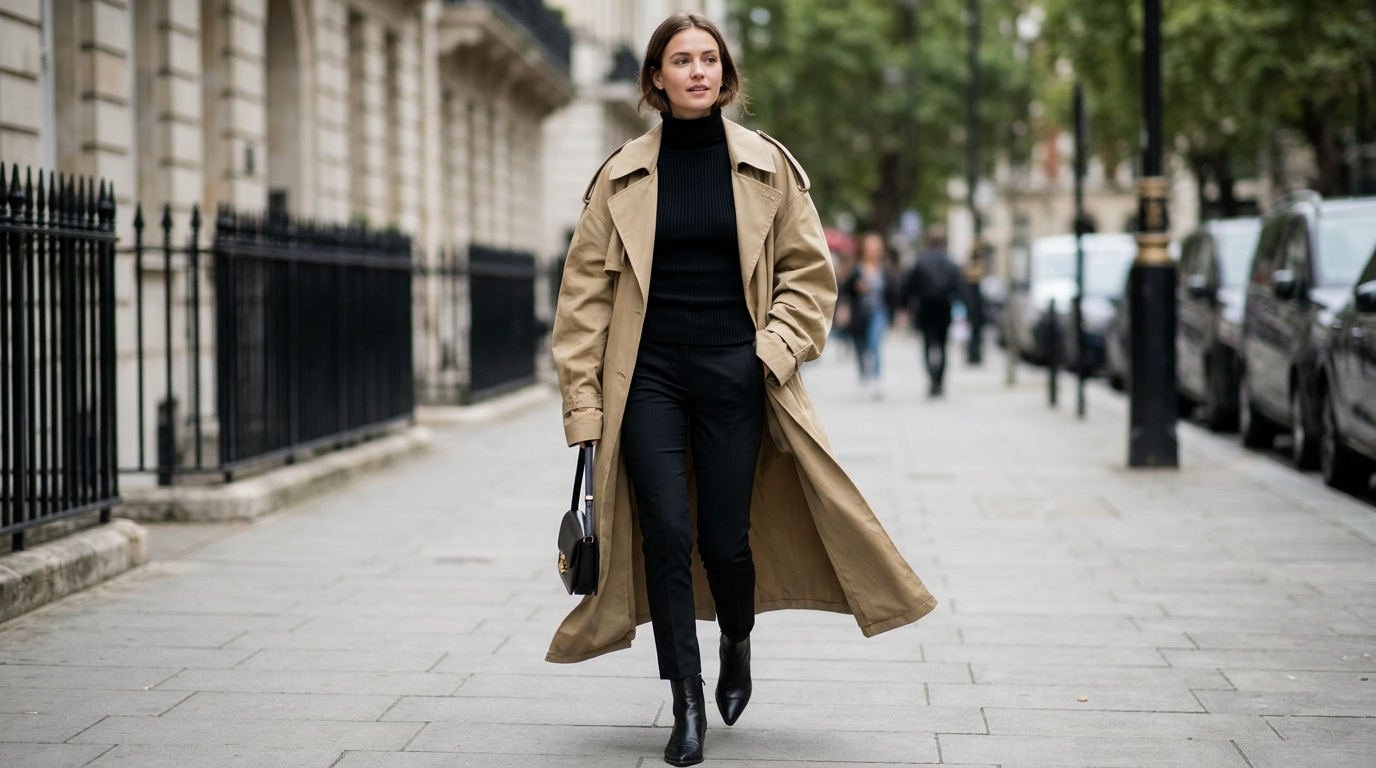
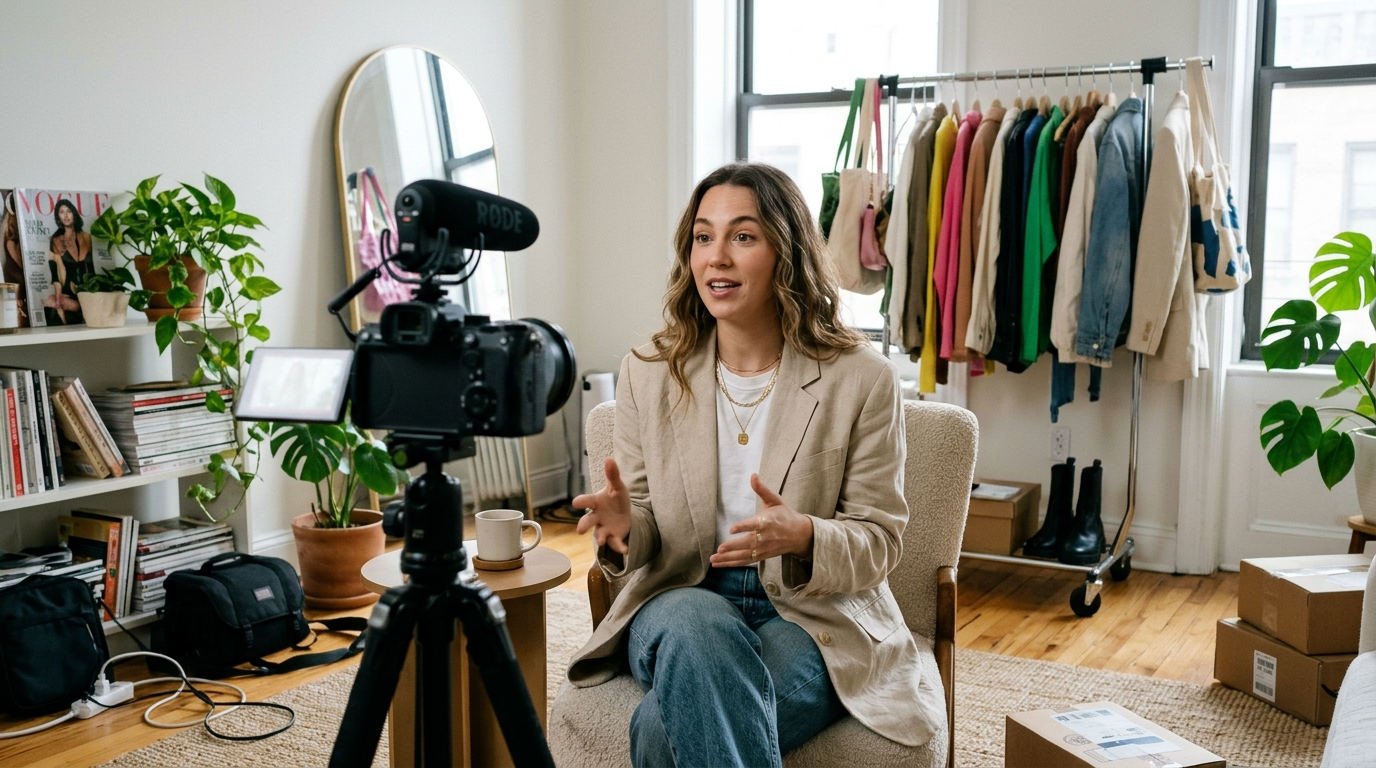
Still photos are excellent for composition, but clothing has movement, drape, and weight that a single frame cannot show. Video can add valuable evidence without requiring complicated production.
Decide what motion needs to reveal
Prioritize the feature a photograph cannot explain, such as skirt drape, trouser length, or jacket ease.
A few steps forward can show whether wide-leg trousers swing naturally. Movement without a clear purpose can become visual noise.
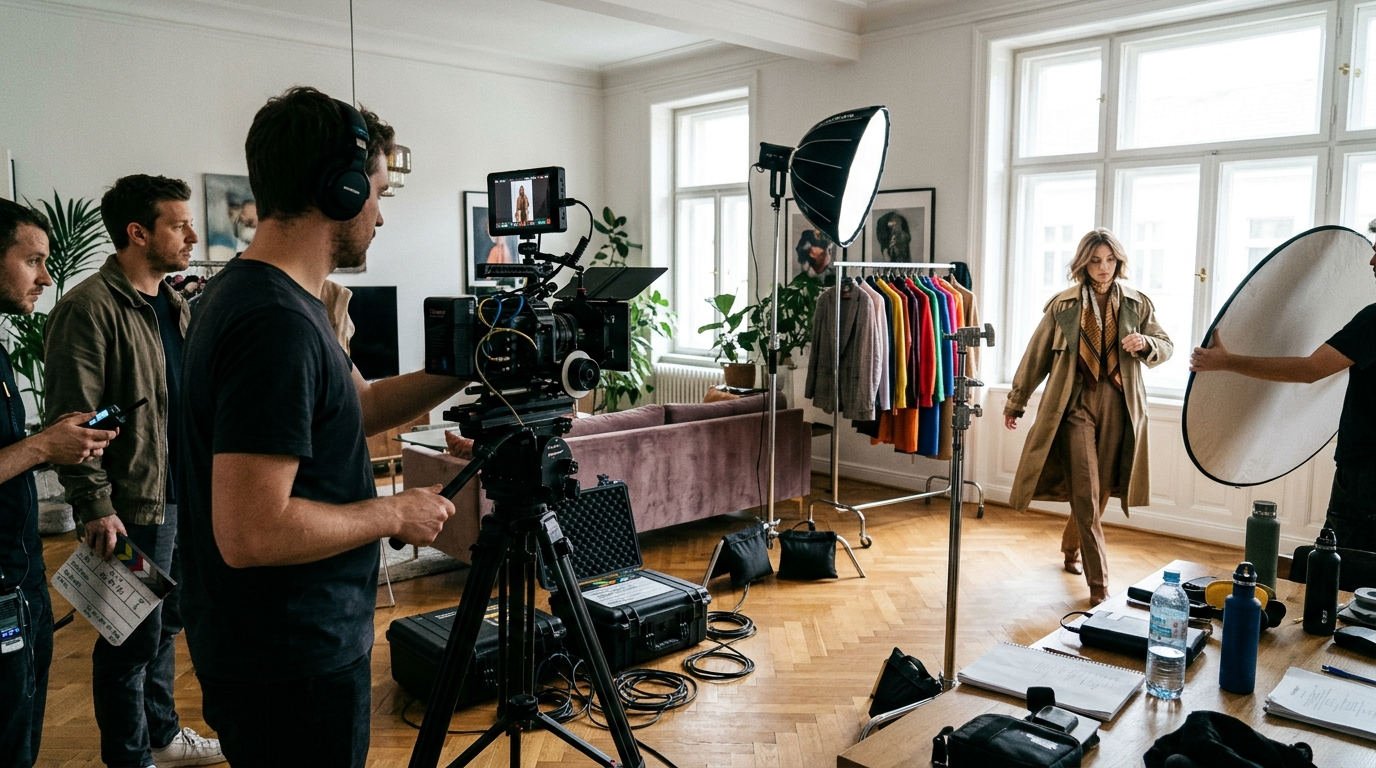
Film a straightforward full-length sequence
Use a stable camera position and include the whole outfit rather than constantly cropping to details.
Extreme camera angles may make garments look proportionally different. Walking toward the camera and turning slowly can reveal the overall silhouette.
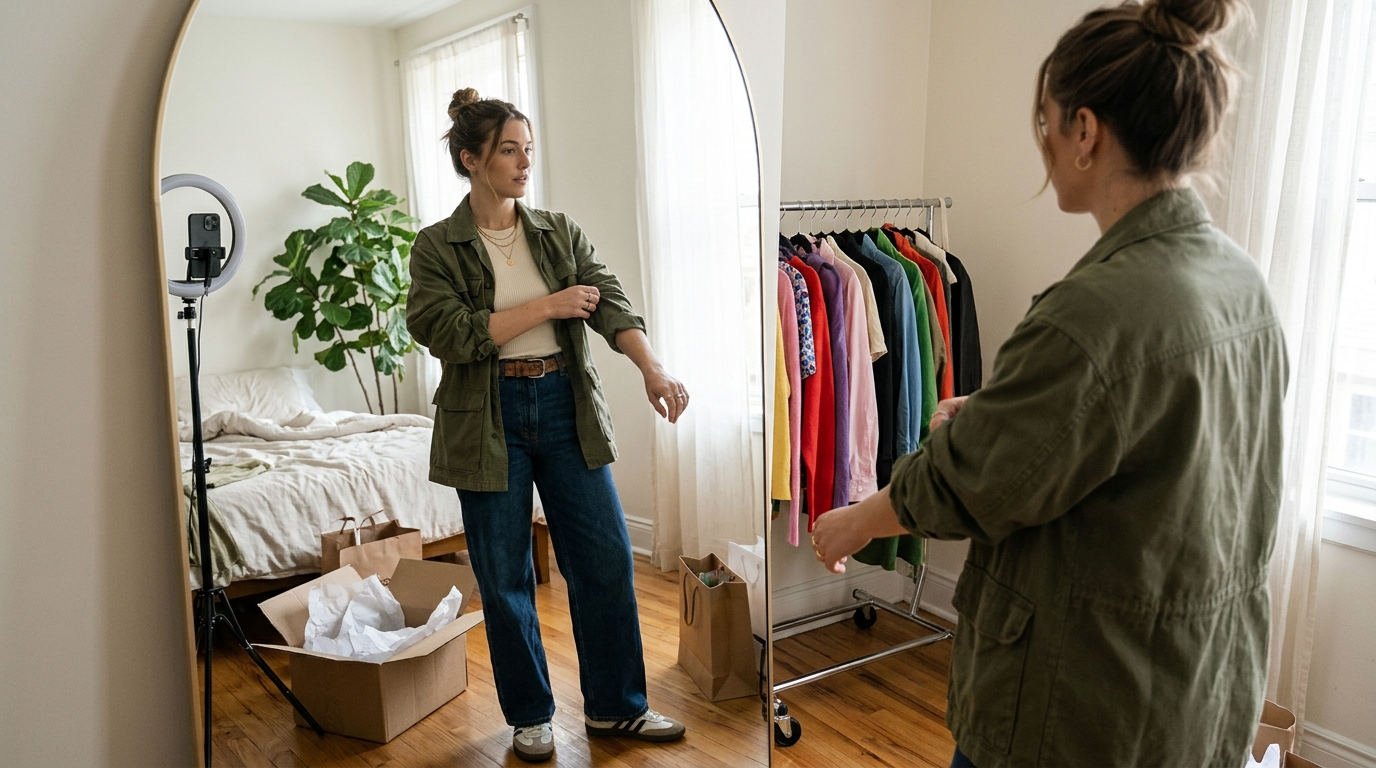
Include a practical action
A coat that looks sharp standing may pull at the shoulders while reaching for a door.
Sitting, reaching, climbing a step, or carrying a bag can show how clothing works in real life. Do not force risky movements or ignore personal comfort for a shot.
Capture small details as supporting evidence
Show fabric texture, buttoning, pockets, and closures after the main outfit view.
A close-up of a knit sleeve can help viewers understand ribbing and stretch. Detail shots should supplement, not replace, a readable full outfit.
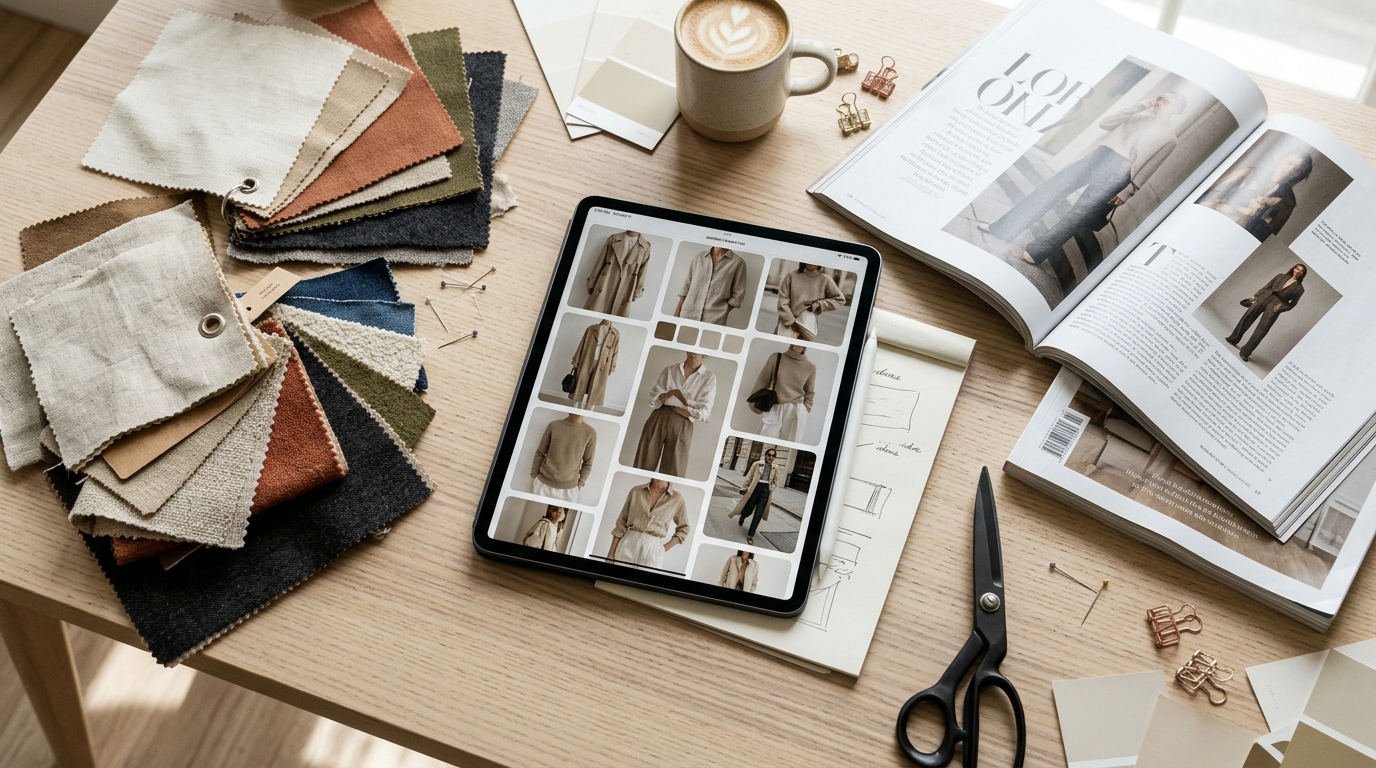
For a connected look at creator practice, see How to Build a Personal Fashion Moodboard That Evolves. It offers a different, complementary perspective within creator culture.
Choose light that respects the garment's color
Soft, steady light can help fabric appear consistent across a short clip.
Filming beside a window reduces abrupt changes in shade during a simple turn. Strong filters can obscure whether colors and textures are accurate.
Edit the sequence so the viewer can follow
Hold shots long enough to inspect fit and avoid excessive speed ramps or jump cuts. Trend-driven editing should not hide information.
A short pause on the side profile often communicates more than several fast transitions.
Make motion accessible without sound
Text stating roomy through the leg can clarify what the movement demonstrates.
Add concise captions or labels when a fit feature needs explanation. Tiny text or rapid captions exclude some viewers.
Compare photo and video as complementary formats
Use stills for easy reference and moving clips for drape and comfort questions.
A carousel containing one full outfit shot plus a short walk video offers both benefits. Neither format should pretend to reveal more than it actually shows.
Try it yourself: From Outfit Photos to Video
- Film a full-length walking shot and one seated shot to show how the fabric hangs.
- Use consistent lighting between the still image and video so colour remains comparable.
- Mention any clips that are sped up or edited if the change affects how an item appears.
Reference points
These are independent background resources for the wider subject, not endorsements of the styling ideas above or evidence of personal product testing.