Fashion Finds
Finding Affordable Accessories That Elevate Simple Outfits
Accessories can add personality to clothes you already own without requiring a larger wardrobe. Their value depends on how often they work, how comfortable they feel, and whether they complement your style. This subject rewards looking past the first image. A well-chosen example can help, but fit, maintenance, context, and the reason behind a decision determine whether the idea survives ordinary use.
Begin with one element near the face
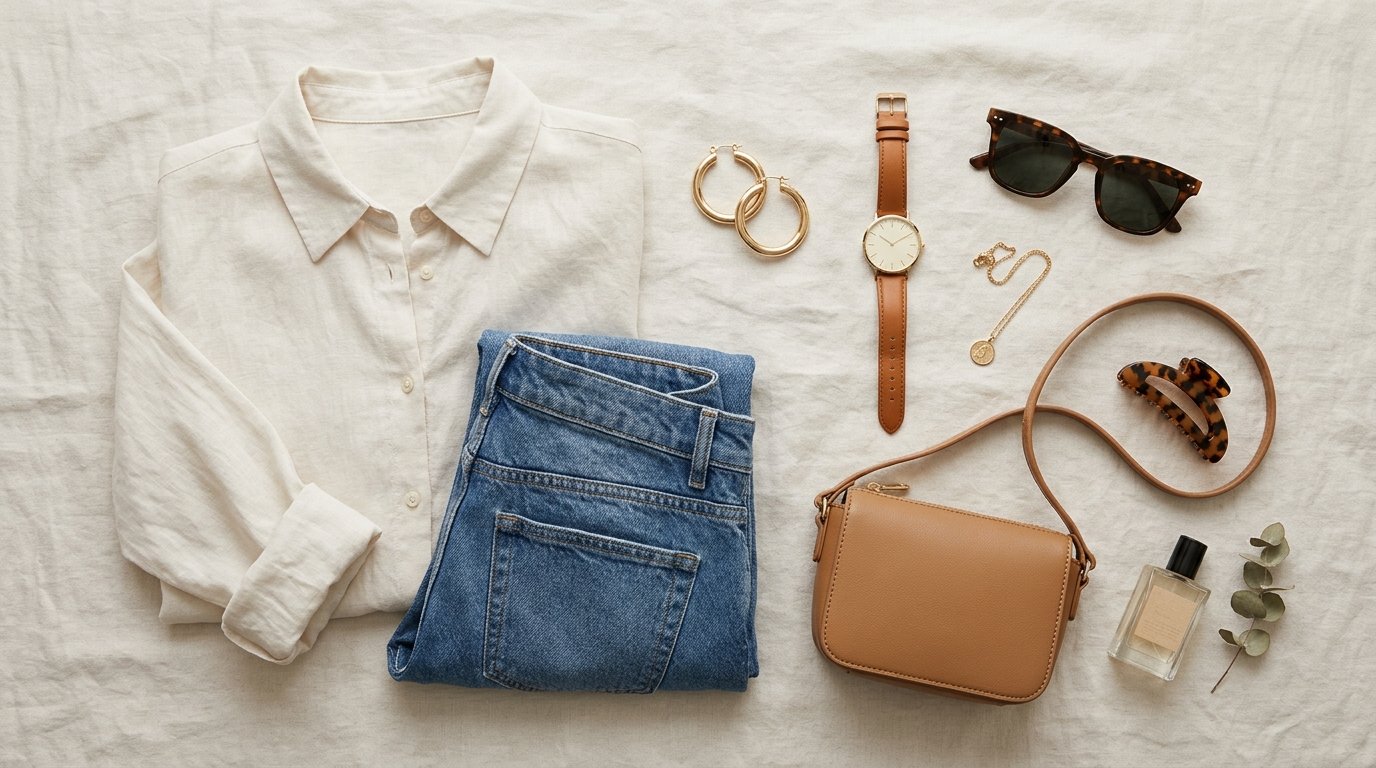
Simple hoops and a white shirt feel intentional without a complete outfit overhaul. Compare options against the way you actually dress. An appealing item earns more attention when it fills a clear gap or connects naturally to several existing looks.
Earrings, a small necklace, or a scarf can alter the impression of a plain top. There is room for personal preference here. Two people may choose differently because they value different materials, levels of structure, or daily activities. The underlying principle is a tool for making the choice, not a verdict about one correct look.
Heavy earrings are not practical if they cause discomfort. Keep the solution proportionate to the need. A small adjustment can be enough; an entirely new collection of items is rarely the first sensible response.
A purchase decision is easier when tied to something you already own. Use a favorite garment or accessory as a baseline for comfort, size, weight, and ease of care. Comparisons become more reliable than guessing from a label or a fashionable image.
Use belts to clarify proportion
A belt can give a tucked shirt or relaxed trouser a more finished waistline. Small defects can become large inconveniences. Examine places that receive repeated stress or handling, and think about repair options before overlooking a problem.
A brown belt offers a useful bridge between blue denim and tan footwear. Keep the end use in view. What works for a short indoor appointment might not work for a day involving transit and weather. Making that distinction is not compromising on style; it is choosing clothing or content that serves its real purpose.
A decorative belt should not be forced to hold up badly fitting trousers. Begin with the simplest version, then make one change and examine the difference. Is the result easier to wear, more balanced, or simply more noticeable? Keep only changes that serve a clear purpose.
Test the most likely point of failure first. For clothing, that may be the waistband, shoulder, or hem; for accessories, the attachment, closure, or strap. The part receiving daily stress often matters more than the part designed for display.
Try a scarf as a portable color accent
In practice: Try a scarf as a portable color accent
Choose a print with a shade already present in your wardrobe. This is also a question of priorities. If comfort is the main need, protect it first; if an expressive detail is the point, give that detail enough room. You do not have to solve every styling concern with one purchase or one perfectly coordinated outfit.
A small patterned scarf can refresh a navy coat and later decorate a bag handle. Fit and feel are part of quality. A beautiful finish does not overcome a pinching waistband, awkward strap, or fabric that irritates your skin.
Delicate silk-like fabrics can snag on rough fastenings. Give the item or idea a trial in a low-pressure setting. Short experiments reveal practical issues before they become frustrating commitments.
Consider how easy it would be to resolve a problem after purchase. Clear return policies and realistic repair options can reduce risk, while confusing support or unusually strict terms can make a small sizing issue much more costly.
Let practical bags contribute to the look
Shape, finish, and strap placement can subtly change the outfit's mood. Good shopping involves a willingness to leave an item behind. That decision keeps your budget available for a choice with better fit, clearer purpose, or simpler upkeep.
An inexpensive bag still needs sound seams and a functional closure. Pay attention to the detail that catches your eye first and the one you notice only after wearing the item. The second often affects long-term satisfaction: a seam, a strap, an awkward layer, or a styling decision that requires constant attention.
A neat canvas tote gives a different message from a compact structured shoulder bag. Give yourself permission to choose the quieter option. Not every look, purchase, or piece of content needs a standout moment to be successful.
Do not let scarcity substitute for fit or need. A one-off resale item or short sale window can create pressure, but the same basic checks still apply. Leaving a questionable item behind is a valid and often sensible result.
For another practical shopping perspective, explore What to Check Before Buying Clothes From Online Stores. It offers a different, complementary perspective within fashion finds.
Assess jewelry finishes and materials
A simple pendant with a secure clasp may outlast heavily plated costume jewelry. Labels and marketing language can be useful clues, but they are never the whole answer. Compare the actual garment and its practical requirements wherever possible.
Consider skin sensitivity, clasps, coatings, and how pieces cope with regular wear. A useful alternative is to compare two versions side by side instead of making several changes at once. That makes it easier to see whether the improvement came from fit, proportion, fabric, or context rather than from a general impression of newness.
Marketing descriptions do not replace material information. Take a quick photograph in normal light if comparison helps, but do not judge the entire choice by one image. Move, sit, and look again at the details that tend to shift during wear.
Keep the decision grounded in use. Picture when you would wear or carry the item, what it would replace or accompany, and how much maintenance it requires. That scenario says more about its value than a popularity signal.
Make hair accessories look deliberate
Clips, bands, and pins can be small ways to introduce color or texture. Shopping decisions become stronger when you replace vague impressions with observable details. Fabric, construction, measurements, comfort, maintenance, and total cost are all evidence.
A tortoiseshell-style clip gives a tidy finish to a loose weekend outfit. Notice which adjustment would have the greatest effect and begin there. A change of length, texture, or supporting item often reveals more than several small additions. Keep the experiment reversible until you have worn the combination in an ordinary setting.
A tight band that pulls on the hair is not a useful upgrade. Write down the one detail that made the version successful. That small record turns inspiration into knowledge you can use the next time you get dressed or plan another outfit.
Whenever possible, compare evidence instead of adjectives. The same product may be described as luxurious, durable, or flattering, yet those words do not tell you the weave, stitching, measurements, or care requirements. Specific details make comparisons more honest.
Shop across your existing color palette
Count how often an accessory could appear with clothes already in rotation. One good test is to remove the excitement of a new purchase from the equation. Would the choice still seem appealing as a repeated part of the week? Would you feel comfortable explaining why it works without relying on trend labels or a sale price?
A burgundy bag may offer more personality than another black one if it works with favorite neutrals. A photograph is only one perspective. Check what can be verified about the item, and be cautious about promises that cannot be tested before purchase.
Multiple near-identical purchases rarely add much range. Evaluate what happens after the first use. An item that continues to feel comfortable and relevant tells you more than one excellent photograph can.
The total cost can be different from the number on the tag. Add delivery, return costs, potential alterations, and the time needed for care. An apparent bargain becomes less appealing when it requires expensive fixes or remains difficult to use.
Prioritize comfort and construction over quantity
Secure clasps, smooth edges, flexible straps, and appropriate weight matter as much as appearance. Value depends on use, not simply the marked price. A modest purchase that stays unworn is rarely a better choice than a comfortable piece worn regularly.
Low price alone is not a reason to fill a drawer. The decision should still feel like yours after the details have been considered. Recommendations can reveal possibilities, but the final standard is whether the choice supports your own routine, preferences, and practical boundaries.
One well-chosen belt can be more helpful than five uncomfortable trend pieces. If you are choosing between two options, compare them using the same criteria rather than changing the standard for each. Comfort, frequency of use, and maintenance are often more revealing than a first impression.
Treat a product photograph as a clue rather than a full inspection. Look for views of the back, inside, seams, fastenings, and fabric surface. A seller who provides clear detail imagery makes it easier to identify potential concerns before buying.
Looking ahead: Prioritize comfort and construction over quantity
Keep the approach flexible enough to suit changing seasons and routines. Secure clasps, smooth edges, flexible straps, and appropriate weight matter as much as appearance. The more honestly you notice what works, the less you need rigid rules to make the next choice.