Outfit Styling
Easy Outfit Formulas for Busy Mornings and Weekends
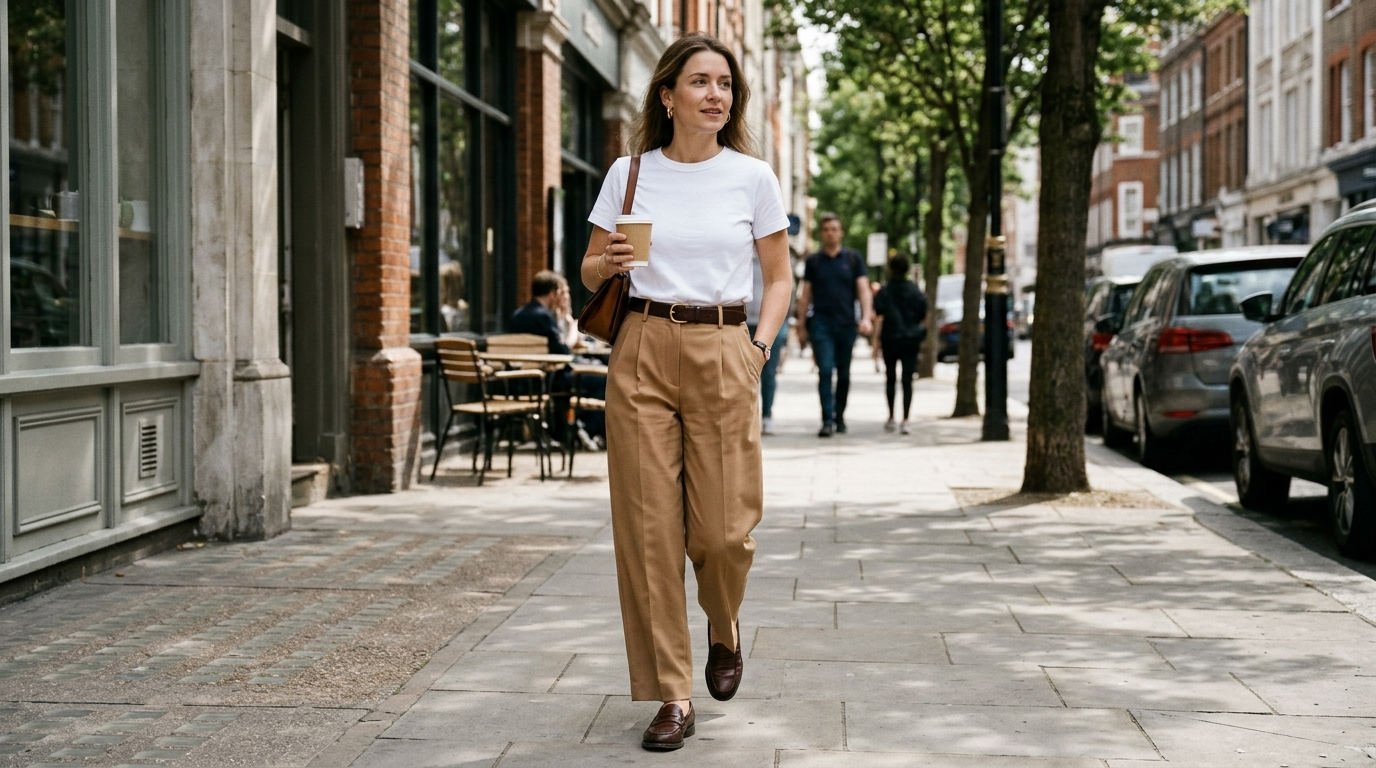
A reliable outfit formula is less about wearing a uniform than removing needless decisions. A few combinations can handle changing plans while leaving room for color, mood, and the weather. This subject rewards looking past the first image. A well-chosen example can help, but fit, maintenance, context, and the reason behind a decision determine whether the idea survives ordinary use.
The five-minute trouser formula
In practice: The five-minute trouser formula
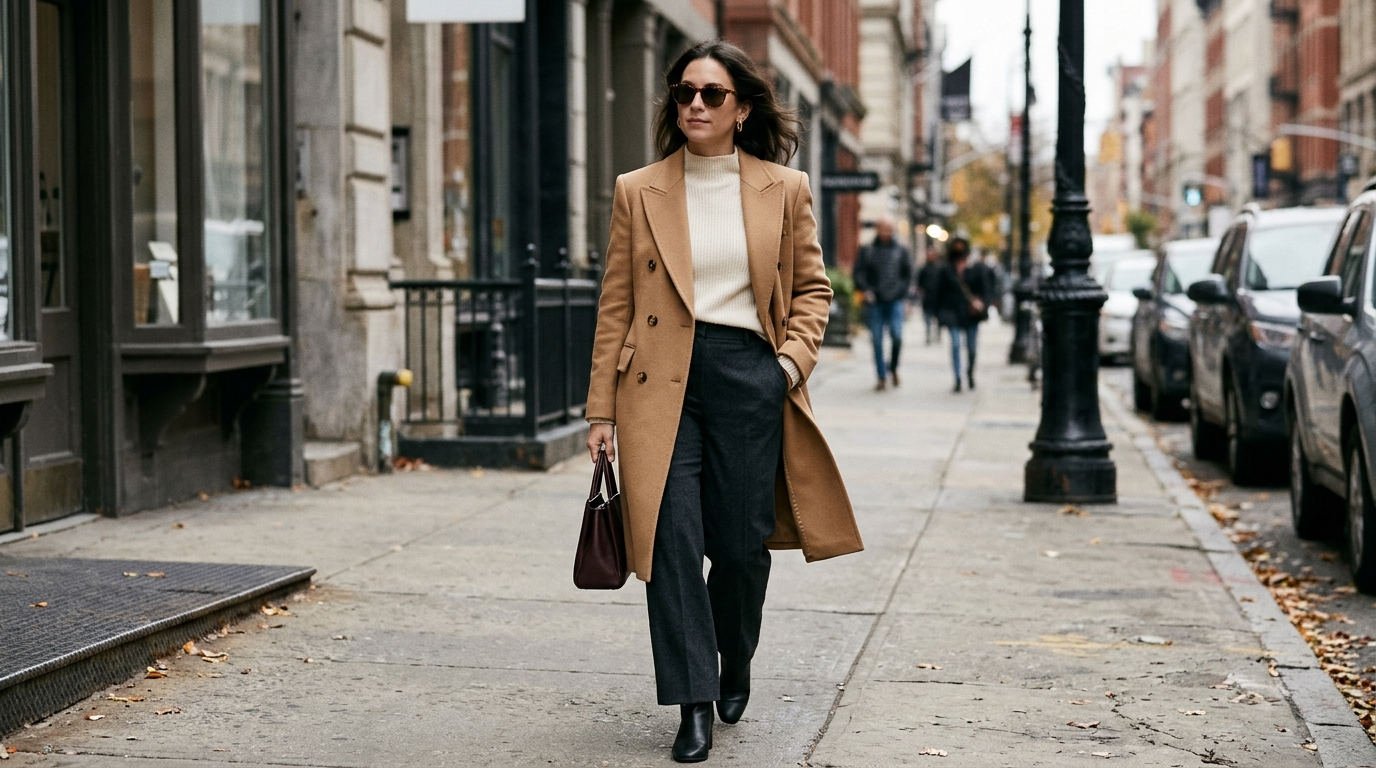
Combine comfortable trousers, a fitted or neatly tucked top, and one layer with visible structure. Comfort is part of the visual result. A piece that needs constant pulling or repositioning interrupts the ease that makes a simple outfit look natural.
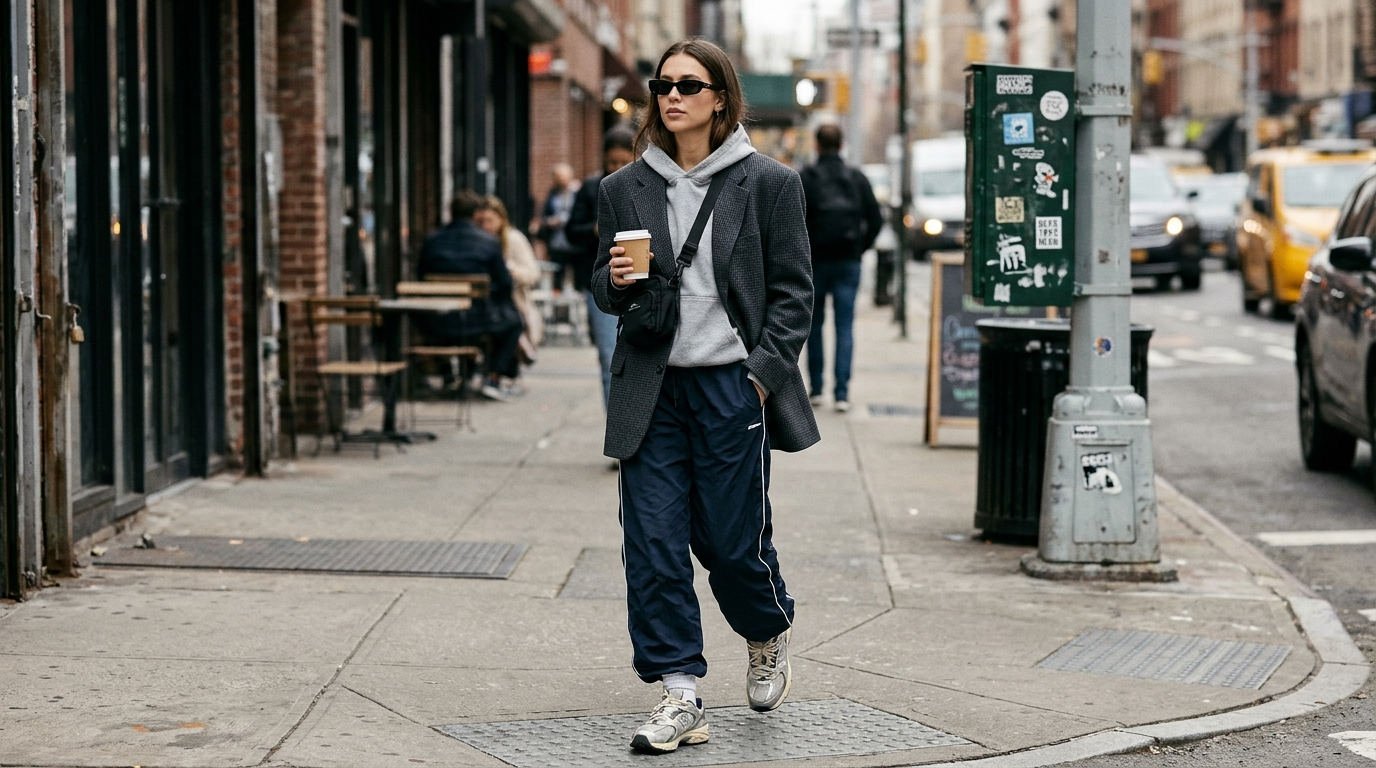
If both layers and trousers are extremely oversized, the intended shape can disappear. Keep the end use in view. What works for a short indoor appointment might not work for a day involving transit and weather. Making that distinction is not compromising on style; it is choosing clothing or content that serves its real purpose.
Wide-leg trousers with a cotton tee and cropped jacket can work for a morning meeting and grocery stop. Begin with the simplest version, then make one change and examine the difference. Is the result easier to wear, more balanced, or simply more noticeable? Keep only changes that serve a clear purpose.
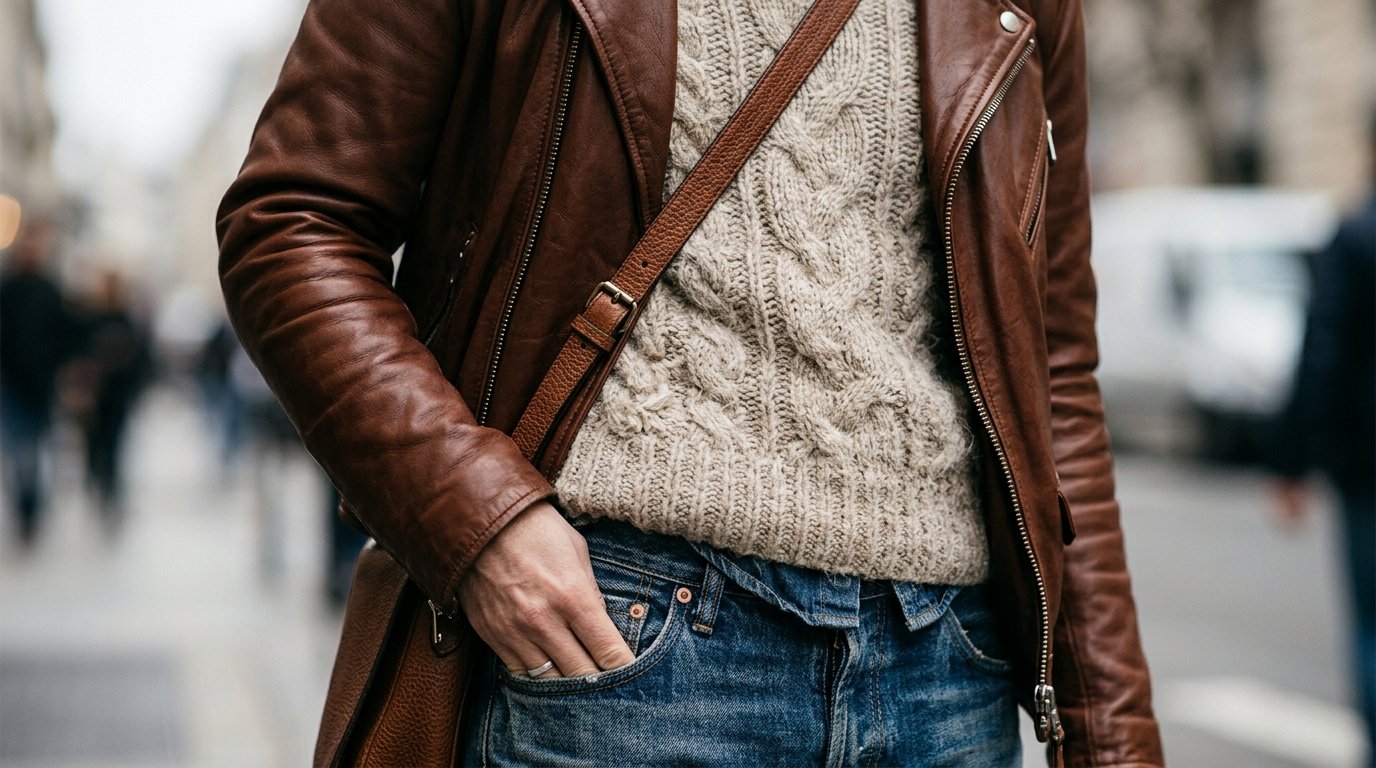
An especially practical check is how the outfit works with its everyday bag. The strap may cut across a neckline, catch on a lapel, or interrupt a carefully balanced length. Those are worthwhile details to resolve before leaving.
Jeans and a slightly smarter upper half
Straight blue jeans with a crisp striped shirt create a weekend look that needs little accessorizing. The goal is not a flawless formula but a combination you can understand and recreate. When you know what is doing the work, you can exchange supporting items without losing the point.
Use denim as the casual anchor and let a shirt, fine knit, or tailored jacket add definition. This is also a question of priorities. If comfort is the main need, protect it first; if an expressive detail is the point, give that detail enough room. You do not have to solve every styling concern with one purchase or one perfectly coordinated outfit.
Denim fit changes the balance, so a formula is a starting point rather than a rigid recipe. Give the item or idea a trial in a low-pressure setting. Short experiments reveal practical issues before they become frustrating commitments.
Try the decision in the lighting and weather in which it will be worn. Colors can shift between indoor and outdoor light, while fabric weight changes how relaxed or rigid the whole silhouette feels. Real conditions provide a more useful assessment.
The easy dress plus functional layer
Choose one-piece dressing when separates feel like too much work, then adjust with shoes and a layer. Think about scale across the full outfit. A prominent shape can feel clearer when nearby pieces leave a little space, while a subdued element may need stronger structure to register.
A simple midi dress with a lightweight cardigan and comfortable boots handles shifting temperatures. Pay attention to the detail that catches your eye first and the one you notice only after wearing the item. The second often affects long-term satisfaction: a seam, a strap, an awkward layer, or a styling decision that requires constant attention.
Avoid layers that fight the dress's neckline or bunch at the waist. Give yourself permission to choose the quieter option. Not every look, purchase, or piece of content needs a standout moment to be successful.
Shoes are often the quiet variable. Keep the clothing combination unchanged and compare a flat, a boot, and a trainer you already own. The experiment can show whether the look needs more visual weight or simply a more comfortable foundation.
A knit-and-skirt combination for flexible days
Contrast the softness of knitwear with a skirt whose movement suits your day. A useful alternative is to compare two versions side by side instead of making several changes at once. That makes it easier to see whether the improvement came from fit, proportion, fabric, or context rather than from a general impression of newness.
A fine sweater over a satin midi skirt becomes more relaxed with simple trainers. Work with pieces you actually own. A styling decision becomes more reliable when you can compare it with familiar hems, fabrics, footwear, and the weather in which you will wear it.
Check whether the waistband and hem remain comfortable after sitting. Take a quick photograph in normal light if comparison helps, but do not judge the entire choice by one image. Move, sit, and look again at the details that tend to shift during wear.
Give the outfit a short walking test and notice which items move independently. If a hem or layer needs to be repositioned constantly, rethink the way those shapes meet. The comfortable version often reads more confident as well.
For a closely related styling decision, read How to Mix Textures Without Overcomplicating a Look. It offers a different, complementary perspective within outfit styling.
Treat the shoe as the plan's reality check
Decide between walking shoes, weatherproof boots, and dressier flats before polishing smaller details. View the outfit from more than one angle. Mirror images often emphasize the front, but side profiles, movement, and the way a bag sits can change the balance.
An impractical shoe can turn an otherwise useful formula into a frustrating day. Notice which adjustment would have the greatest effect and begin there. A change of length, texture, or supporting item often reveals more than several small additions. Keep the experiment reversible until you have worn the combination in an ordinary setting.
The same trousers and top can feel casual with sneakers or refined with loafers. Write down the one detail that made the version successful. That small record turns inspiration into knowledge you can use the next time you get dressed or plan another outfit.
Consider the negative space around wrists, ankles, necklines, and hems. Small glimpses can make heavy layers feel less dense, while more coverage can create a longer line. There is no universal correct amount: proportions should fit the outfit and weather.
Build color pairs you know work
Repeating an established palette makes a morning outfit faster without forcing every item to match. Try treating this choice as an edit rather than an addition. Subtracting a competing detail can reveal the intention more effectively than buying another accessory.
Keep a few easy partnerships such as navy with cream or chocolate with pale blue. One good test is to remove the excitement of a new purchase from the equation. Would the choice still seem appealing as a repeated part of the week? Would you feel comfortable explaining why it works without relying on trend labels or a sale price?
There is no need to restrict yourself to neutrals if brighter colors feel natural. Evaluate what happens after the first use. An item that continues to feel comfortable and relevant tells you more than one excellent photograph can.
Keep a record of what actually worked instead of memorizing every styling tip. One photograph and a few words about footwear or fit are enough. Over time those observations make it easier to recreate the result without making dressing a chore.
Prepare for the extra errand or change of plans
Add a bag, weather layer, or small accessory that supports the most demanding part of the day. Consider how the garment sits beside its neighbors rather than judging it alone on a hanger. A successful combination creates a clear relationship between shape, weight, and the part of the look you want people to notice first.
A lightweight rain layer can live near the door for unpredictable weekend plans. The decision should still feel like yours after the details have been considered. Recommendations can reveal possibilities, but the final standard is whether the choice supports your own routine, preferences, and practical boundaries.
Overpacking layers often adds more bulk than actual usefulness. If you are choosing between two options, compare them using the same criteria rather than changing the standard for each. Comfort, frequency of use, and maintenance are often more revealing than a first impression.
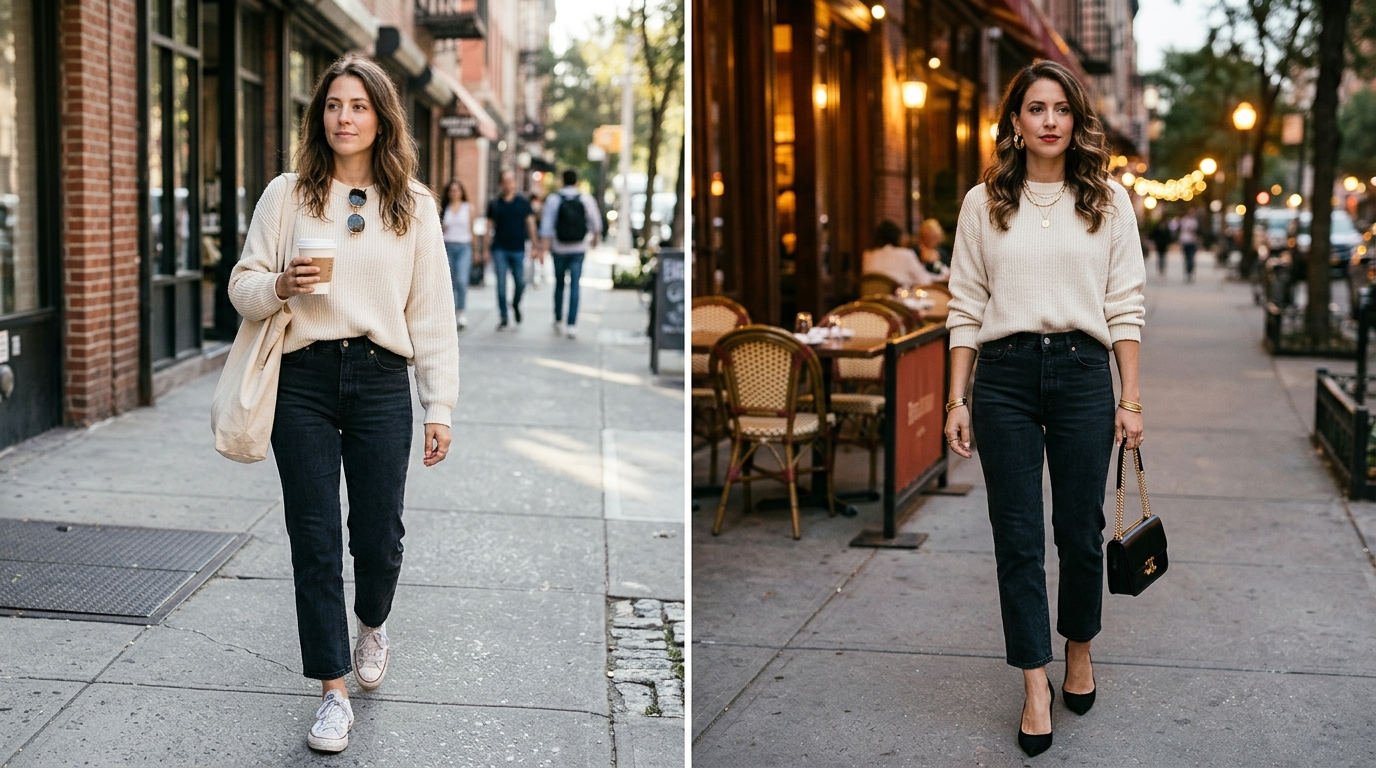
A useful comparison is to build two versions from the same foundation and change only one visible feature. Looking at the pair side by side helps you see whether the difference comes from volume, length, color, or how formal the finishing pieces feel.
Use formulas as a framework, not a style rule
Refresh the look by exchanging one color, texture, or accessory while keeping the dependable structure. Imagine repeating the same decision on a busy morning. If the process depends on a complicated set of exceptions, it may need simplifying. The most useful ideas are the ones that can survive a change of weather, schedule, or available clothes.
Swap a striped shirt for a printed blouse while retaining the favorite jeans and shoes. The useful decision is often a small one: length, volume, or the position of a detail. These adjustments can completely alter the reading of an outfit without changing its basic ingredients.
A system stops helping when it feels too restrictive to reflect your mood. Think about care and storage as part of the same decision. An attractive choice is less useful if it cannot be handled comfortably throughout its ordinary lifespan.
It can help to place the pieces on a bed before putting them on, then compare that flat arrangement with the actual worn result. Fabric falls around a moving body, so a pleasing flat-lay is only a preliminary idea.
Looking ahead: Use formulas as a framework, not a style rule
Keep the approach flexible enough to suit changing seasons and routines. Refresh the look by exchanging one color, texture, or accessory while keeping the dependable structure. The more honestly you notice what works, the less you need rigid rules to make the next choice.