Outfit Styling
How to Mix Textures Without Overcomplicating a Look
Texture is an understated way to give an outfit depth. The contrast between matte and glossy, soft and structured, or smooth and nubby can be more interesting than adding a new print. Instead of treating the subject as another checklist, consider it a series of choices. Some will help immediately; others will depend on what you already own, how you dress, and which compromises you are happy to make.
Start with two materials you can identify
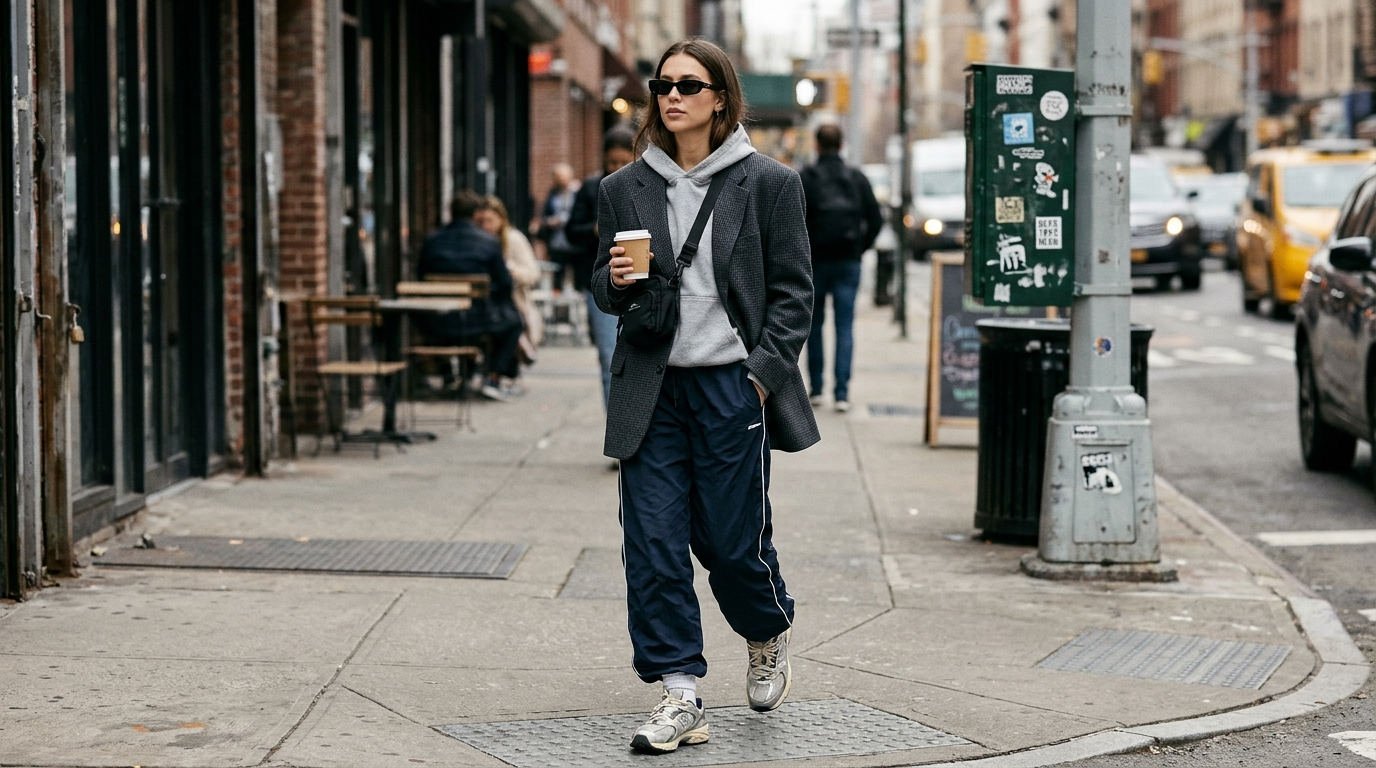
A cotton shirt beneath a wool blazer gives a crisp edge against a warmer finish. The goal is not a flawless formula but a combination you can understand and recreate. When you know what is doing the work, you can exchange supporting items without losing the point.
Pick a lead texture and a supporting one before considering anything else. One good test is to remove the excitement of a new purchase from the equation. Would the choice still seem appealing as a repeated part of the week? Would you feel comfortable explaining why it works without relying on trend labels or a sale price?
Four conspicuous fabrics rarely make a clearer outfit than two well-chosen ones. Evaluate what happens after the first use. An item that continues to feel comfortable and relevant tells you more than one excellent photograph can.
Try the decision in the lighting and weather in which it will be worn. Colors can shift between indoor and outdoor light, while fabric weight changes how relaxed or rigid the whole silhouette feels. Real conditions provide a more useful assessment.
Keep the colors quiet while judging surfaces
Work within a narrow palette to see what the materials themselves are contributing. Think about scale across the full outfit. A prominent shape can feel clearer when nearby pieces leave a little space, while a subdued element may need stronger structure to register.
Ivory denim next to an oatmeal knit reveals differences in weave and weight. The decision should still feel like yours after the details have been considered. Recommendations can reveal possibilities, but the final standard is whether the choice supports your own routine, preferences, and practical boundaries.
Identical beige shades are not necessary, but clashing undertones can distract. If you are choosing between two options, compare them using the same criteria rather than changing the standard for each. Comfort, frequency of use, and maintenance are often more revealing than a first impression.
Shoes are often the quiet variable. Keep the clothing combination unchanged and compare a flat, a boot, and a trainer you already own. The experiment can show whether the look needs more visual weight or simply a more comfortable foundation.
Balance shine with matte fabric
Reflective silk-like fabric or polished leather often benefits from a grounded, understated neighbor. Imagine repeating the same decision on a busy morning. If the process depends on a complicated set of exceptions, it may need simplifying. The most useful ideas are the ones that can survive a change of weather, schedule, or available clothes.
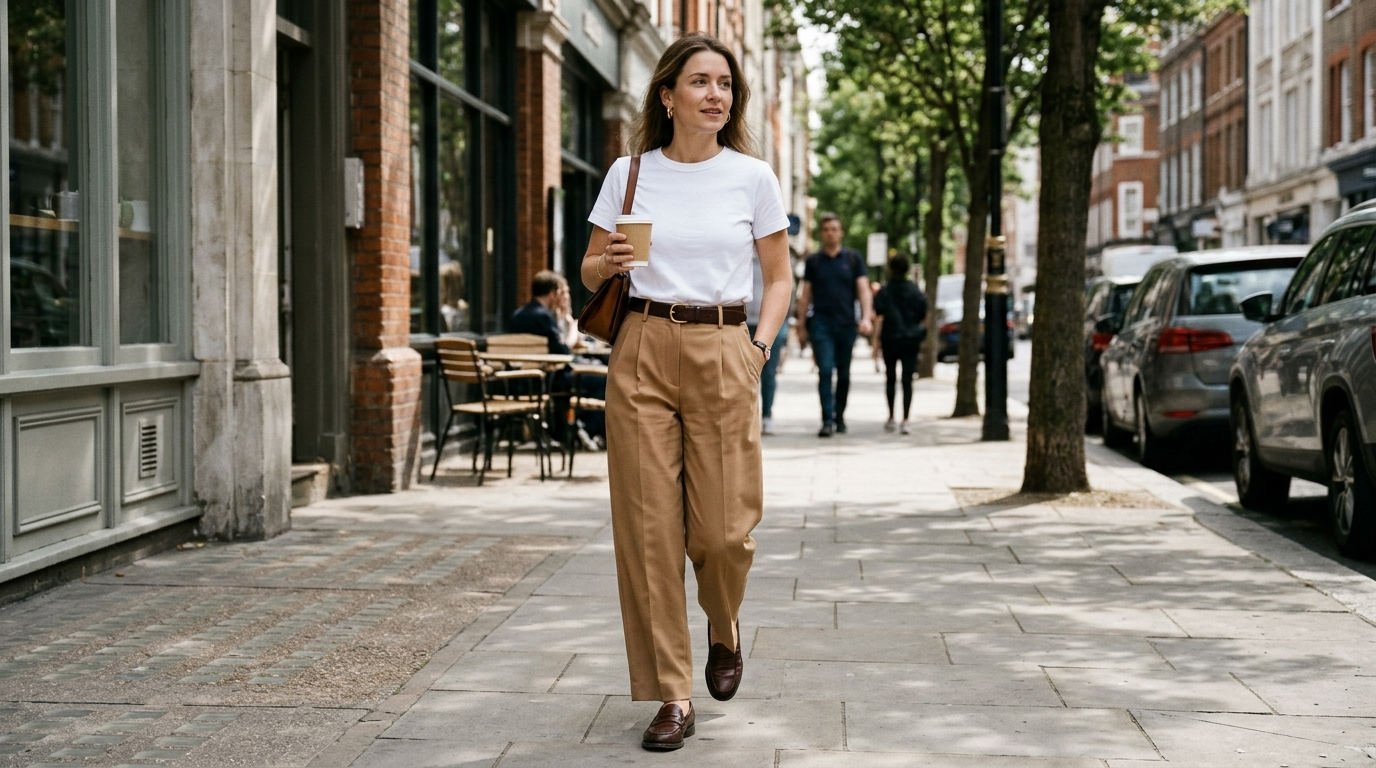
A satin skirt with a cotton tee feels less formal than satin from shoulder to ankle. Work with pieces you actually own. A styling decision becomes more reliable when you can compare it with familiar hems, fabrics, footwear, and the weather in which you will wear it.
Too much shine may look costume-like in ordinary daylight. Think about care and storage as part of the same decision. An attractive choice is less useful if it cannot be handled comfortably throughout its ordinary lifespan.
Give the outfit a short walking test and notice which items move independently. If a hem or layer needs to be repositioned constantly, rethink the way those shapes meet. The comfortable version often reads more confident as well.
Contrast soft pieces with clear structure
Use a defined shape to stop drapey fabrics from making the entire look feel shapeless. View the outfit from more than one angle. Mirror images often emphasize the front, but side profiles, movement, and the way a bag sits can change the balance.
Heavy stiffness everywhere can sacrifice movement and comfort. Small observations are more reliable than absolute rules. Write down what felt easy, what needed adjusting, and which element you would keep next time. Over several wears, those notes can become a much better guide than a shopping checklist.
A tailored jacket over a soft jersey dress gives the body of the outfit a readable line. Compare how the same idea behaves in different contexts, then keep the version that feels clearest. A change in setting often explains why a combination succeeds or struggles.
Consider the negative space around wrists, ankles, necklines, and hems. Small glimpses can make heavy layers feel less dense, while more coverage can create a longer line. There is no universal correct amount: proportions should fit the outfit and weather.
For a closely related styling decision, read From Day Plans to Dinner: Styling One Outfit Two Ways. It offers a different, complementary perspective within outfit styling.
Let the season guide material weight
A thin merino knit and denim make sense on a cool day; airy linen may be better with lightweight cotton. Try treating this choice as an edit rather than an addition. Subtracting a competing detail can reveal the intention more effectively than buying another accessory.
Combine textiles that feel plausible in the same temperature rather than selecting them only for appearance. Try asking what changes if the situation becomes more ordinary: a longer walk, a different layer, or a full afternoon rather than a quick photograph. That question exposes weak points early and helps separate a pleasing concept from a combination you can actually enjoy using.
A beautiful contrast is not useful if the wearer is too warm or cold. Try the idea with a familiar item before buying something new. Existing clothes provide a reliable benchmark for fit, texture, color, and the level of effort you want to repeat.
Keep a record of what actually worked instead of memorizing every styling tip. One photograph and a few words about footwear or fit are enough. Over time those observations make it easier to recreate the result without making dressing a chore.
Mix leather, denim, and knitwear with restraint
Familiar fabrics are enough to demonstrate the principle without requiring unusual wardrobe purchases. Consider how the garment sits beside its neighbors rather than judging it alone on a hanger. A successful combination creates a clear relationship between shape, weight, and the part of the look you want people to notice first.
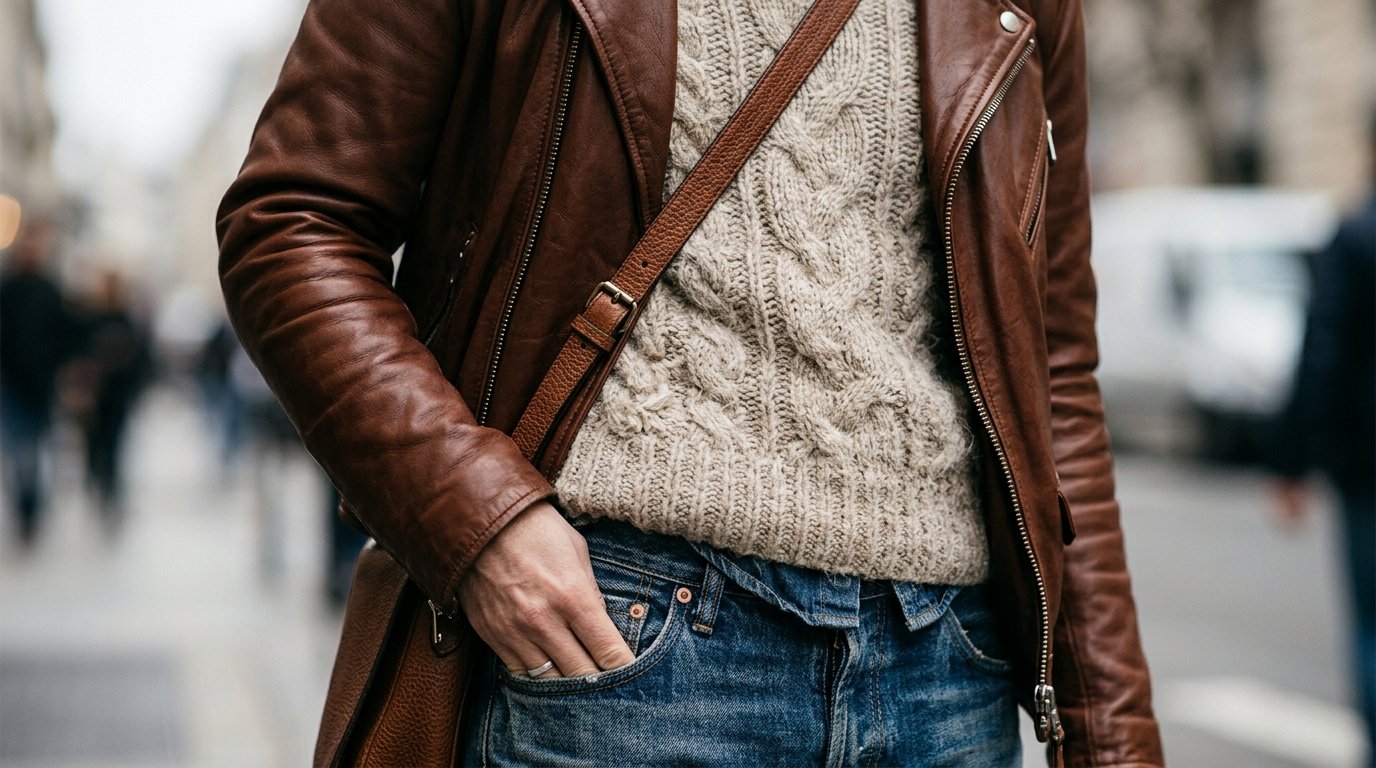
A leather belt, denim jeans, and brushed cardigan create three distinct surfaces at different scales. The practical comparison is not between a good outfit and an idealized picture. It is between the current option and the alternatives available to you. An informed choice should take account of what you own, what needs care, and what would actually be worn.
A large leather jacket plus shiny trousers and heavy boots can feel visually dense. Ask whether the change solves a genuine problem or just introduces a new one. Better choices usually remove friction without making the surrounding routine more complicated.
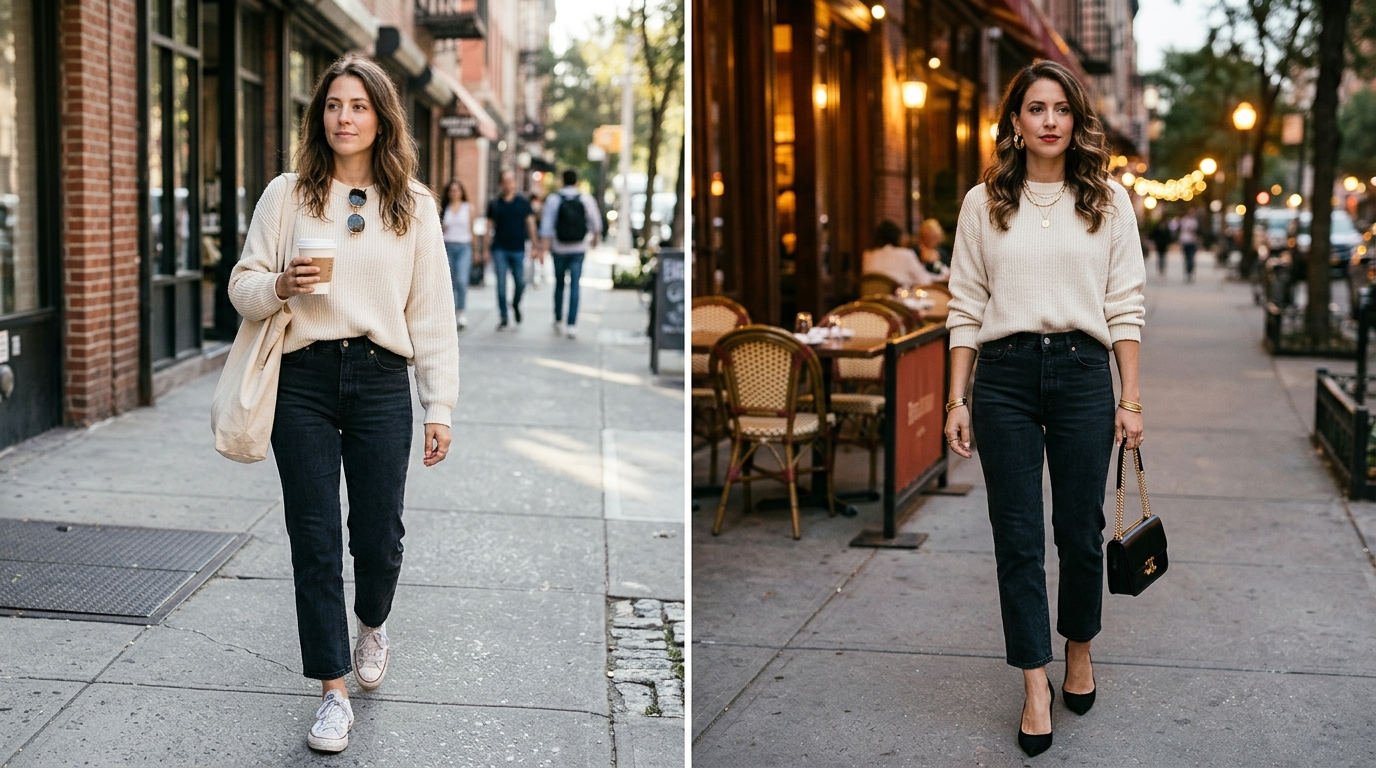
A useful comparison is to build two versions from the same foundation and change only one visible feature. Looking at the pair side by side helps you see whether the difference comes from volume, length, color, or how formal the finishing pieces feel.
Use accessories to introduce a small new finish
A bag, scarf, or metal detail can supply contrast when clothing pieces are already harmonious. Think about how this decision interacts with the rest of the look or process. A strong individual element can become distracting when everything around it demands attention. A calmer supporting choice may help the original idea become clearer.
A woven bag changes a simple linen outfit without competing with its relaxed mood. The useful decision is often a small one: length, volume, or the position of a detail. These adjustments can completely alter the reading of an outfit without changing its basic ingredients.
Treat sparkle or embellishment as an accent, not an obligation. If the choice is still uncertain, pause rather than forcing an answer. Living with the alternatives for a little longer often clarifies what you really value.
It can help to place the pieces on a bed before putting them on, then compare that flat arrangement with the actual worn result. Fabric falls around a moving body, so a pleasing flat-lay is only a preliminary idea.
Judge the result from ordinary viewing distance
Step away from the mirror to check whether the textures register as one intentional look. Comfort is part of the visual result. A piece that needs constant pulling or repositioning interrupts the ease that makes a simple outfit look natural.
Texture should reward a second look, not demand immediate attention. A second look is worthwhile before calling this finished. Compare the result in natural light, check the fit around the points where garments meet, and consider whether the choice still makes sense once you have added the things you carry every day.
The subtle contrast of ribbed knit and smooth trouser works even when nobody identifies every fabric. Look at the finished result from a few steps away. Individual details should contribute to the whole rather than competing for the same attention.
An especially practical check is how the outfit works with its everyday bag. The strap may cut across a neckline, catch on a lapel, or interrupt a carefully balanced length. Those are worthwhile details to resolve before leaving.
Looking ahead: Judge the result from ordinary viewing distance
What makes the idea lasting is not perfection but usefulness. Step away from the mirror to check whether the textures register as one intentional look. Carry forward the detail that worked, and allow the rest to change with your preferences.